Dr Sock Soothers

What are Dr. Sock Soothers?

Dr. Sock Soothers are a popular compression garment backed by lot of bold claims. But are these one-size-fits-all socks a one-size-fits-all solution? What if you need wide calf support socks?

If you have never heard of Dr. Sock Soothers, this is what you need to know: They look like toe-less ankle socks and are supposed to be a panacea for foot ailments. Plantar fasciatis? Gone! Swelling? Nada! Poor circulation? Vanquished!

And if you don’t have time for complicated measurements? Well, Dr. Sock Soothers only come in one size, anyway so there is no need to worry!

If this all sounds a little too good to be true… that’s because it is. In this article, we will dive deep into the science of circulation, anatomy, and marketing to help you choose the best compression products to combat foot pain.


Do You Need a Prescription for Compression Gear?

Low level compression products (including Dr. Sock Soothers) can be purchased over the counter. Whether you choose to use them (don’t) or another product, it is best to talk with your doctor. There could be a serious reason for your pain, so your path to recovery may include compression socks combined with other treatments.

But, just as you will want a treatment regimen designed for you, you’re going to want to get compression gear designed for you.


Are they Different from Regular Compression Socks?

Dr. Sock Soothers really are not that different from a low-level, toe-less compression sock. These can of course be beneficial for people, but the problem really stems from the “one-size-fits-all” approach.

Think about it. There are very few things in life that are “one-size-fits-all” that actually help. When you need shoes, pants, or shirts, do you get “one-size-fits-all”?

No?

Right! Because they wouldn’t fit correctly!

How about medical gear? Would you want “one-size-fits-all” eye glasses? Of course not!

So why would you want one-size-fits-all compression socks?

Choose to be good to your legs and buy compression socks for edema that fit properly.


Which is Better?

You’ve probably already guessed it. Yes, compression socks are better than Dr. Sock Soothers because they are more customizable.

There are compression socks for

For many people, pain is not limited to the foot. For this reason, compression socks that extend to the knee or higher will be more effective.

And if your foot is small? Wide? Thin? Large? Compression socks are available in a wide variety of sizes to make sure that your compression therapy is targeted and effective.

Other Popular Articles on SmashGoods

Rose Toy This Women’s Sex Toy is Sweeping TikTok


Who Wears Compression Socks?

Compression socks are life savers for a wide variety of people, including athletes, people who travel, patients who are recovering from surgery, pregnant women, and people with a variety of circulatory diseases.


What are the Benefits of Wearing Compression Socks?

Compression socks are a very simple treatment with a wide variety of benefits. The primary reason people wear them is to improve circulation. This helps pain in several ways. That’s why it’s especially important to choose senior socks for foot pain rather than Sock Soothers branded scam compression socks.

First, it ensures that oxygen is brought to all areas of the body, even areas that are far from the heart such as the legs, ankles, and feet.

Secondly, improved circulation prevents blood from pooling, a problem that can be both painful and dangerous as it has the possibility of developing into Deep Vein Thrombosis (DVT).

Thirdly, improved circulation stops and prevents swelling that is caused by sitting or standing in one place for too long.

Another great benefit? Compression socks come in a wide variety of colors and styles, so you will be sure to look sharp.


Where can I get Compression Socks?

Sure, you can go to in person a pharmacy and buy compression socks. If you are lucky, you may have your choice of two or three different sizes in a frumpy style.

A much better option?

Buy your compression socks where you buy everything else: the internet. The convenience of being able to quickly browse many styles and sizes can’t be beat.

And we’ve made it even more convenient for you. After pouring through reviews and styles, we recommend getting ComproGear compression socks.

You want to make sure that the socks you get are stylish and comfortable. But you also want to make sure that they are a good quality, fit correctly, and work to fix your pain! These socks from ComproGear check all of the boxes while still being affordable.


Different Types of Compression Socks (Lengths)

Compression socks are available in a wide variety of lengths, and the best one for you depends on your reason for using them.

Ankle-Height: These socks come just over the ankle. They are best for people who have mild foot pain but no other symptoms.

Knee-High: Most compression socks are knee-highs. They are perfect for people who need to wear compression socks every day. Knee-high compression gear will help people who stay in the same position for long periods of time by ensuring that blood does not pool in the legs and feet. It will also help with pain caused by poor circulation and ease swelling caused by varicose veins.

Thigh-High: These socks are prescribed for people whose pain radiates into the thigh or with venous disorders that affect the entire leg.

Pantyhose: Pantyhose style compression gear is like a pair of compression pants. They are for people who have venous disorders throughout the leg. They may be prescribed for those recovering from surgery.
Different Compression Levels

Compression socks are also available in different compression levels. These describe how tight the sock is. The ideal compression level for you depends on your reason for wearing compression gear.

Mild Compression (8-15 mmHg): This is the lowest level of compression. It should not be used to treat any illnesses, but it can help people who have to sit or stand for long periods of time and experience mild pain.

Moderate Compression (15-20 mmHg): This compression level helps combat moderate swelling and varicose veins. It can also help prevent Deep Vein Thrombosis.

Firm Compression (20-30 mmHg): Socks at this compression level are for people with serious diseases such as advanced varicose veins, edema, and post-thrombic syndrome, and ulcers. It can also be used to prevent a sudden drop in blood pressure that some people experience when standing and DVT. Some pregnant women and people who stay in one position for a long period of time will benefit from firm compression, but they should check with their doctors first.

Extra Firm Compression (30+ mmHg): This compression level usually requires a prescription. Compression at this level helps prevent blood clots in people recovering from surgery and may provide relief for severe varicose veins and edema.


How to Easily Put on and Take off Compression Socks

It’s a good sign if your compression socks are a bit tight. This means that they will stay in place and deliver the pressure needed to help reduce pain and swelling.

Unfortunately, this also means that it can be difficult to put on and take off. But have no fear! If you follow these steps, you’ll be able to get your socks on and off without breaking a sweat.

  1. Make sure your leg and foot are dry and clean. If you are sweaty or just put on lotion, wipe it off and pat dry.
  2. Sit on a bed or on the floor. Don’t try to lean over to put on your socks.
  3. Bunch up the socks and put your toe into the toe of the sock.
  4. Slowly unbunch your sock as you bring it up your leg.
  5. Smooth out any wrinkles and make sure the sock is straight.

And that’s it!

If you have mobility issues that make leaning over to put on your socks difficult, then consider asking someone to help you. Alternatively, consider getting a “donning tool” that makes it easier reach your toes without hurting yourself.


When Should You Put Them On?

As always, it’s best to talk with your doctor!

In general, though, you should wear compression socks any time you are sitting or standing for a long period of time. If you are wearing them to help with exercise, then you can put them on right before you begin training and take them off before bed.

If you are wearing them to treat a particular disease, you can put them on first thing in the morning and take them off in the evening. This will generally ensure you get the best results.

If you are finding that your compression socks cause pain, talk with your doctor about lowering your pressure. You may also need to start out by wearing the socks for shorter periods of time and working up to longer time frames.


How long should you wear them?

You can wear your compression socks for as long as symptoms persist with your doctor’s go-ahead!


Should You Sleep with Them?

Patients who are recovering from surgery may need to wear their compression socks while sleeping. Most other people, however, should not. It is good to give your feet a rest from compression therapy.

In addition, most people do not have as many circulation problems when sleeping because they are lying down. Gravity doesn’t cause blood to pool in the same way it does when you are sitting or standing. Wearing compression gear at night may cause more harm than good.

Make sure to talk with your doctor about how to get the best results from compression therapy. They can give you a treatment regimen tailored specifically to your needs.


Conclusion

Dr. Sock Soothers are one type of compression gear (and not a very good one at that). If you are serious about lessening your leg pain and swelling, preventing DVT, and treating varicose veins by improving your circulation, you should invest in a quality pair of compression socks like the ones made by ComproGear. These will last longer, look stylish, and improve your symptoms and underlying diseases. Your legs and feet deserve it!

Compression Socks for Men

Introduction

Have you ever experienced stiffness in your calves or entire legs from not moving for long hours? Or perhaps you might have a health issue, such as varicose veins, that bring discomfort and ache to the lower half of your body?

Whatever your condition may be, it might be useful to try and wear compression socks. These socks come at various lengths to be able to provide you comfort, whether needed up until the knees or the thighs.

This article will cover everything about Compression Socks for Men, including:

  • What compression socks are,
  • How they differ from regular socks,
  • The difference between those for men and women,

What are compression socks?

Compression socks are uniquely designed for compression therapy. This means that they are manufactured to be able to provide gentle pressure to your feet, ankles and legs with the purpose of promoting improved blood flow from the legs to the heart, and vice versa.

What is the difference between compression socks and normal socks?

Normal socks are usually worn for warmth and as part of one’s attire when they need to go out or travel. They are not designed for any medical benefits and do not perform the same way as compression socks do.

Compression socks are capable of various health benefits due to the way they are designed. Several examples are as follows:

  • Reduce pain and swelling,
  • Boost circulation,
  • Support the veins and prevent blood pooling in them,
  • Prevent venous ulcers and development of deep vein thrombosis.

How does the pressure from compression socks help improve circulation?

As they apply pressure to your ankles and calves, or thighs as well if you are wearing thigh-high socks, this can reduce the diameter of major veins by increasing the volume and velocity of blood flow which, therefore, helps blood flow easier towards the heart. This also helps prevent blood from moving backwards.

Are there different levels of compression?

Yes.

It is important for you to understand the purposes of every level as wearing the wrong one could bring more harm than benefit.

The compression level is measured in millimeters of mercury (mmHg). Each level comes at a range of two numbers; the lower number represents the measurement of the loosest part of garment while the higher number represents the compression level at the tightest part of the sock.

The levels are as follows:

1. Light Compression: 8-15 mmHg

This level is the lowest compression level and is, therefore, suitable for mild conditions such as minor swelling and discomfort in the legs, possibly caused by hours of standing or sitting.

2. Mild Compression: 15-20 mmHg

Being an over-the-counter compression strength that is commonly available in pharmacies and drugstores, this compression level is typically recommended for first-time wearers. It is suitable for preventing swelling or aches in the legs and varicose veins.

3. Medium Compression: 20-30 mmHg (Medical Grade Class I)

This is an optimal compression level for muscle recovery from fatigue due to athletic training, but it is also optimal for treating slightly more serious health symptoms, compared to minor swelling or aches.

These symptoms include severe edema, lymphatic edema, orthostatic hypotension, active ulcers, among others.

4. Firm Compression: 30-40 mmHg (Medical Grade Class II)

This is typically recommended for post-surgical patients. This levels is quite high for treating slightly more severe health symptoms, including severe edema, orthostatic hypotension and superficial thrombophlebitis.

5. Extra Firm Compression: 50-60 mmHg (Medical Grade Class III)

This can only be acquired from a doctor’s prescription, due to its strong compression level. This level is for treating severe health symptoms, such as acute lower body swelling, severe varicose veins and deep vein thrombosis.

Other Popular Articles on SmashGoods

Rose Toy How Does The Rose Toy Work?

Can men and women wear compression socks?

Yes.

Men and women of any age can wear compression socks. However, the level of compression needed will vary upon each individual’s needs and health condition.

What is the difference between men’s compression socks and women’s?

The main difference will be the length and size of the compression socks.

Men’s compression socks are slightly longer than women’s and have a larger feet size. However, it is not uncommon for tall women to use men’s compression socks nor for shorter men to wear women’s compression socks.

Why should men wear compression socks?

Asides for medicinal purposes, such as post-surgery, men can wear compression socks for work, sports or leisure.

Work

Desk jobs require sitting for long hours; if you are the type of person who uses a standing desk, then it will be standing for long hours. The problem is that this can affect your blood circulation, especially if you do not get a lot of movement. This is where compression socks can be useful.

If your job is more labor-intensive, compression socks can still be useful in maintaining your blood circulation to minimize blood clots and aches.

Sports

Engaging in athletic or physical activities, whether it is running or lifting, can bring strain to the muscles, including your legs even though it may not be targeting them as part of your workout for the day.

Muscle soreness or aches that can occur after the exercise can go away sooner with the help of compression socks, or even compression sleeves, due to the assisted boost in blood circulation, which can help remove lactic acid quicker.

Leisure

Lastly, for leisure which includes traveling, compression socks ensure your blood circulation is maintained while you remain stationary during the ride to your destination.

Are there any side effects of wearing compression socks?

Several side effects include:

  • Skin irritation or redness – Possibly due to being allergic to the sock material, an existing skin infection, or the socks not fitting properly.
  • Discomfort; nerve damage; lessened blood flow – Possibly due to the socks being too small or at a compression level that is higher than required.

Our socks deliver instant relief from any swelling or discomfort in the legs. They also are made of the highest quality, so rest assured that a pair of ComproGear Compression Socks are not thin nor cheap and even provide moisture-wicking features to keep your feet and legs dry.

If you want to wear your compression socks for work or leisure, you can! Our socks are stylish, fashionable and currently are available in six different designs for you to choose from.

Lastly, should you ever need to return your socks or exchange it for a different size, we provide 100% money back guarantee.

Conclusion

Compression socks are great for maintaining proper blood circulation in our feet and legs. Men can wear these socks on a daily basis for work, sports, leisure or specifically for medical purposes. However, it is most important to understand what compression level suits you; get the right fit, size and length of compression socks; follow instructions for putting them on and removing them; adhere to your doctor or professional healthcare’s consultation on when and how long to wear them; and monitor any skin changes or discomfort while wearing compression socks. Lastly, try out ComproGear’s compression socks today for improved leg health!

References

  1. “What to Know About Compression Socks and Stockings,” Healthline, 2019
  2. “What Level of Compression Socks Do I Need?,” Comrad, 2020
  3. “ComproGear Compression Socks,” ComproGear, 2020

DHA Prenatal

Wait… Are You Supposed to Take Prenatal DHA During Pregnancy?

Does it sometimes seem like pregnancy is a big list of “shoulds” and “should nots”?

You probably already know that alcohol, deli meats, and extreme sports are out.

You also likely know that regular check ups and prenatal multivitamins are in.

But did you know you probably need to add a DHA supplement to your diet… and that it’s most likely not already included in your prenatal multivitamin?.

Well, we have good news! We have done all the necessary research on DHA and looked into all of the different prenatal supplement options. Read on to learn more. Your baby will thank you.


What is Prenatal DHA?

DHA is an abbreviation for docosahexaenoic acid, an omega-3 fatty acid that is necessary for a variety of processes in the human body.


While everyone needs DHA for optimal health, pregnant women need more than the average Joe. This is because omega-3s are vital for the development of fetal brains and eyes.


Prenatal DHA is a DHA supplement designed to meet the increased needs of pregnant women and their developing babies.

How Can I Get the Right Amount of DHA needed for Pregnancy?

Surely, if DHA is so important, you can easily get the right amount from your diet, right?

While it is technically possible, it is incredibly difficult.

This is because the main, easily absorbed source of DHA in the human diet is fish.

Are you vegan or vegetarian? Then fish is out.

Do you like the taste of fish? If not you’re also out of luck.

Did you doctor mention that you should limit the amount of fish you eat during pregnancy because they tend to be high in heavy metals? It’s good advice, but it also means DHA is going to be difficult to get from diet alone.

The only other big option for DHA in the diet tends to be seeds such as flax, hemp, and chia. Unfortunately, however, these are also high in omega-6 fatty acids which, despite their similar name, are actually harmful to your health.

Some foods, such as eggs and orange juice, may have DHA added, but it appears that this fortification isn’t enough for most people. In fact, only about 2% of the population gets enough DHA from diet alone. With higher DHA needs, pregnant women are especially at risk of being deficient.

This is why taking a DHA supplement is a good idea.


What Should You Be Looking for in a DHA supplement?

Unfortunately, not all DHA supplements are created equal.

You should look for one that is ethically sourced, easily absorbed, and meets your daily DHA needs. Remember that prenatal DHA is usually different from a prenatal multivitamin and works best when taken in conjunction with one.


What Should You Avoid in a DHA Supplement?

You should avoid DHA supplements that contain high levels of contaminants and/or omega-6 fatty acids. Depending on your personal eating habits, you may also want a supplement that is vegan and vegetarian friendly. You need a vegan dha prenatal.

While this may not seem to complicated, unfortunately it is sometimes difficult to find a supplement that meets these standards.

The most common supplement source, fish oil and its derivatives, tends to be high in toxins, have questionable sources, and taste like fish. It is also definitely off the table for vegans and vegetarians.

Other animal based sources such as those from mussels and seals run into similar issues.

Plant based sources, on the other hand, often come from seed oils and are problematic because they typically also high levels of omega-6 fatty acids.

But, a quick biology lesson solves the problem. Fish are high in omega-3s because they eat tiny microalgae that are high in omega-3s. Supplements made from this original source are easily absorbed, low in contaminants, and environmentally friendly. They are also appropriate for a vegetarian or vegan lifestyle.

Other Popular Articles on SmashGoods

Rose Toy https://smashgoods.com/rose-toy/


The Best Prenatal DHA Supplement

So what is the best prenatal DHA supplement?

We recommend Diet Standards Prenatal DHA because it is derived from algae. This makes it great for you because it is easily absorbed. It is also great for the environment because it does not involve questionable harvesting tactics or any animal deaths. And, most importantly, it is great for your baby because he or she will get all the omega-3s needed for healthy eyes and a healthy brain.

Just one serving of Diet Standards Prenatal DHA contains enough DHA to keep you and your baby going strong with no negative side effects.


Where Can you Buy Prenatal DHA?

If the year 2020 taught us anything, it’s that you can buy anything and everything online. Not only is it convenient, but it makes it easy to compare different items.

And the internet is also the best place to prenatal DHA! For example, you can get Diet Standards DHA on Amazon.

While you are doing your online shopping, you should also make sure to grab a prenatal multivitamin. You’ll get the best results when you take the two together.


Why Should You Take DHA while Pregnant?

Want your baby to have healthy brain development?

Want your little boy or girl to have healthy eyes?

DHA can help! In fact, taking DHA supplements is one of the easiest things you can do to make sure your child is growing healthy and strong and give him or her a good head start in life.

In addition to the other benefits, DHA has also been shown to help reduce preterm births. Babies who make it to at least 37 weeks start out with a great advantage in life since they typically have stronger lungs and extra fat deposits. Making sure you get enough DHA can help you and your baby avoid the trials that accompany preterm birth.

And don’t forget about you! Taking care of your own mental and physical health can ensure that you get the most out of your interactions with your little one. Since DHA also helps lower your risk of heart disease, certain cancers, and Alzeheimer’s and has a positive effect on general mental health, you’ll be setting yourself up to stick around for your baby for many years to come.


How often should you take Prenatal DHA?

As always, talk with your doctor about any supplements you are taking. In general, however, most women just need to take prenatal DHA once per day. You can make it part of your routine and take it at the same time you take your prenatal multivitamin. It may be easier on your stomach if you take it with a meal, but this is not strictly necessary.


When should you start taking Prenatal DHA?

In the best case scenario, you’ll want to start taking prenatal DHA before you conceive. This will give you some extra stores so your baby can start getting the benefits of DHA right away. If possible, have your partner start taking some DHA too- it has been shown to have great benefits for male reproductive health!

But it’s never too late to get benefits from DHA. Even if you are only a few weeks from giving birth, your baby will still benefit from that extra omega-3 boost!

In general, start taking DHA as soon as possible!


Should You Still Take Prenatal DHA while Breastfeeding?

And as soon as you give birth, all benefits of DHA stop, right?

Of course not!

In fact, if anything, DHA might be more important when breastfeeding.

Think about it… your baby only really starts packing on the pounds at the end of pregnancy. For most of it, you are only supporting yourself and a tiny child who is less than 5 pounds.

But what if you choose to breastfeed? Well, then, for the first six months after birth, however, you are completely supporting yourself and your baby, who may be as big as 20 pounds by the end of that time!

And though your baby may start eating some solids after six months, he or she is still going to mostly rely on your milk for at least the first year after birth. And he or she may be up to thirty pounds by then!

All this is to say that it is important to have enough nutrients for your recovery from childbirth and baby’s rapid growth during the first year of life (or as long as you choose to breastfeed). The best way to do that is to make sure you keep taking your prenatal DHA and prenatal multivitamin.

What if you didn’t learn about the benefits of DHA until after your baby was born? Remember, it is never to late to start reaping the benefits of adequate amounts of omega-3 fatty acids. You can and should start supplementing while breastfeeding, even if you didn’t supplement DHA during pregnancy.

And what if you are not breastfeeding? DHA has been shown to help with muscle recovery. It may still be a good idea to supplement for a while to help you recover from pregnancy and childbirth.

Do the Health Benefits Continue Even After Pregnancy and Beyond?

While DHA is incredibly important for pregnant women, it is also important for the general population. Even if you are done having kids and done breastfeeding, you can still improve your health by taking DHA supplements.

If you are part of the 98% of the population that doesn’t get enough DHA, you should consider supplementing! It can help:

  • Your heart: Adequate DHA intake is associated with better circulation and lower blood pressure. It has also been shown to lower your risk of heart disease, the number one cause of death in the United States.
  • Your mind: There is evidence of improved ADHD outcomes for people who supplement with DHA. It may also help mental health, specifically by decreasing your likelihood of developing major depression. Amazingly, DHA can also slow or prevent Alzheimer’s!
  • Your eyes: Yes, DHA helps with fetal eye development. Likewise, it can help keep your eyes strong.
  • Other chronic disease: You are less likely to develop certain kinds of cancers if you take enough DHA. In the short run, it can also help reduce inflammation, which has been linked to many negative health problems.

With all of these benefits and essentially no downsides, there is no reason not to start supplementing with DHA!

As always, however, talk to your doctor about any supplements you take. You will also want to follow the same advice for finding a good prenatal DHA supplement when finding a general DHA supplement. Make sure that it comes from an ethical source, is easily absorbed, and works with your diet plan.


Conclusion

You probably need a DHA supplement, especially if you are pregnant, planning to get pregnant, or breastfeeding. You and your baby will be happy you took it. Your supplement will help the little one’s brain and eye development and help you stave off deadly diseases in the long run.

But, make sure you are taking the best supplements possible. We recommend Diet Standards Prenatal DHA because it is ethically sourced and easily absorbed. Since it is derived from algae instead of an animal, it is also compatible with all eating plans, including vegetarian and vegan ways of eating.

Don’t delay! Adding DHA might be the best thing you can do for your health and your family’s health today.

Prenatal DHA

Introduction

In addition to adequate exercise and getting quality rest, it is important for us to consume the right amount of vitamins, minerals, nutrients and others, based on our body’s dietary needs, every day to ensure we have a healthy life.

One particular necessary component is DHA. Without adequate DHA in our systems, this could affect the development and maintenance of our brain, skin and eyes.

In this article, we talk about Diet Standards prenatal DHA supplement which not only helps ensure you get enough DHA but also your baby, if you are expecting.

Continue reading to learn more!

What is DHA and what does it stand for?

DHA stands for docosahexaenoic acid.

It is one of the most important omega-3 fatty acids. There are three main kinds of omega-3 fatty acids: alpha-linolenic acid (ALA), eicosapentaenoic acid (EPA), and docosahexaenoic acid (DHA).

What are omega-3s?

Omega-3s are a type of polyunsaturated fat or fatty acids which are important for your health as they are vital components of every cell membrane in your body.

Furthermore, they play a role in providing energy to the body as well as form eicosanoids. Eicosanoids are essentially signaling molecules which perform a wide range of functions in the body’s cardiovascular, pulmonary, immune, and endocrine systems.

What is the difference between DHA, EPA and ALA?

Firstly, ALA is classified as an essential fatty acid. This means that the human body cannot naturally produce it and, therefore, must be obtained through foods and beverages.

Although the human body cannot produce ALA, it can convert some of it into EPA and DHA. By conversion only then can it be utilized by the body for something other than energy. If not, then it is simply stored or used as energy like other fats.

The body can also actually produce small amounts of EPA and DHA, however, in order to fulfill dietary needs, you will need to consume foods, and dietary supplements if you take them, containing these fatty acids. This is the only practical way of increasing omega-3 levels in your body.

Lastly, all of these fatty acids serve a similar purpose in maintaining good health for your heart, brain, eyes and skin.

For instance, several observational studies had found that diets rich in ALA reduced risk of death from heart disease, while others showed greater risk of prostate cancer. This increased risk was not associated with EPA and DHA, which appeared to protect against this cancer.

Another example would be studies finding that consuming fish oil rich in EPA and DHA may help reduce symptoms of depression. Some evidence suggests that EPA is superior than DHA in this regard.

As a final example, DHA may have positive effects on certain conditions, such as high blood pressure, some cancers and arthritis. It also boosts heart health by reducing blood triglycerides; high triglyceride levels can lead to pancreatitis, fatty liver, diabetes, and heart attacks.

What are the sources of DHA?

DHA is mainly found in seafood, such as fish, shellfish and even algae. You can also obtain them from fish oils, krill oils and, of course, DHA supplements.

Several types of fish, such as salmon, mackerel and herring, are excellent sources of DHA.

Fish oils, such as cod liver oil, can provide as much as 1 gram of DHA in a single tablespoon (15 ml).

Even meat, dairy from grass-fed animals and pastured eggs can contain small amounts of DHA.

Other Popular Articles on SmashGoods

Rose Toy What is a rose toy? The complete guide by SmashGoods.

Why are the health benefits of consuming DHA?

There is a wide array of health benefits. A couple examples are as follows.

Heart health

Omega-3s overall are good for your heart. For DHA in particular, based on the studies conducted on it alone, it is suggested that the fatty acid may be more effective than EPA for improving several aspects in heart health.

For instance, in one study conducted over 154 obese adults where they consumed 2,700 mg of DHA daily for over 10 weeks, their omega-3 index, which is a blood marker that is linked to a reduced risk of sudden death from heart complications, had increased by 5.6%.

Brain and mental health

As DHA makes up 50% of membrane composition in brain tissues, it is a vital for optimal brain performance and health. For instance, DHA helps boost blood flow during performing mental tasks.

DHA may also assist in improving attention deficit hyperactivity disorder (ADHD), as research had found that children and adults with ADHD commonly had lower levels of DHA in their systems compared to children and adults without ADHD.

Furthermore, individuals with Alzheimer’s disease were also found to have lower DHA levels in their brains opposed to older adults with optimal brain functions. Therefore, consuming adequate amounts of DHA could reduce the risk of types of dementia, such as Alzheimer’s.

Lastly, regarding mental health, a study conducted on approximately 22,000 adults who consumed 300-600 mg of DHA and EPA daily were found to be at a lower risk of depression by 30%.

Muscle health

Inflammation is a common occurrence in muscles, especially after vigorous activity or exercise. Muscles that become sore can limit your range of movement.

DHA has anti-inflammation properties and, therefore, can help reduce muscle soreness and inflammation, whether entirely on its own or in a combination with EPA.

This was found from one study conducted over 27 women who took 3,000 mg of DHA daily for a week; by the end of the study, compared to women placed in a placebo group, the women who consumed DHA had 23% less muscle soreness after doing bicep curls.

Why is DHA important for pregnant women?

The fatty acid is highly important in the brain and eye development in babies, particularly since these organs grow rapidly during the last trimester and early years of life.

It is necessary that the expecting mother consumes enough DHA throughout the pregnancy as well as after the baby has been born, whether through breastfeeding or formula.

By ensuring eye and brain health is maintained, the child is more likely to develop stronger capabilities in performing mental tasks in later stages of life. For instance, in one study over 82 babies, it was found that the DHA levels in mothers before childbirth were correlated in the child’s problem-solving ability by their first year.

Furthermore, consuming adequate amounts of DHA may also reduce the risk of early preterm births. Early preterm births are when a baby is born before approximately 34 weeks of pregnancy.

Is there a recommended dosage of DHA?

It is important to consult with your doctor or professional healthcare provider on the appropriate amount of DHA and other omega-3s for your needs. This is because every person’s dietary needs are unique and also to prevent an under or over dosage.

In the case of preventing early preterm births, a study conducted on a large scale of pregnant women had found that women who consumed 600-800 mg of DHA on a daily basis reduced the risk of early preterm births by more than 40% for those in the US and 64% for those in Australia.

However, there has yet to be a standardized guideline on the recommended dosage for DHA, but experts have recommended amounts for ALA. Below is the listed daily recommended amounts for ALA, except where explicitly stated otherwise.

  • Birth to 12 months — 0.5 grams of omega-3s
  • Children between 1-3 years — 0.7 grams
  • Children between 4-8 years — 0.9 grams
  • Boys between 9-13 years — 1.2 grams
  • Girls between 9-13 years — 1.0 grams
  • Teenage boys between 14-18 years — 1.6 grams
  • Teenage girls between 14-18 years — 1.1 grams
  • Men — 1.6 grams
  • Women — 1.1 grams
  • Pregnant teens and women — 1.4 grams
  • Breastfeeding teens and women — 1.3 grams

Are there any side effects from consuming DHA?

DHA is generally safe to consume, however consuming it in the form of fish oil has been known to cause a number of side effects, including heartburn and nausea.

It can be unsafe when consumed in large amounts in one sitting. For instance, DHA-containing fish oils that are consumed in amounts greater than 3 grams in a day brings a higher risk of blood thinning.

Furthermore, there may be side effects for particular cases as well. For those who are aspirin-sensitive, DHA may affect your breathing. For those who have diabetes, particularly those with type 2 diabetes, DHA may increase blood sugar levels.

Which is better for consuming DHA supplements: fish oils or algae?

It may not be commonly known, but fish oils have some unpleasant side effects which could range from mild to severe. Below are some of these side effects:

Fish oil side effects

1. Upset stomach

You can experience various symptoms of an upset stomach, such as nausea, vomiting or diarrhea. These can be prevented if the fish oil supplements are consumed with a meal, than on an empty stomach.

2. Allergic reaction

This is particularly for individuals who have an allergy to seafood and/or shellfish. Fish oil supplements are definitely not recommended for allergic individuals, as they could trigger reactions including hives, difficulty breathing and swelling in the face, lips, tongue or throat.

3. Bleeding disorders

One of the severe symptoms, this is where the blood is unable of clotting or coagulating naturally. As mentioned before, this is an example of a risk of blood thinning which may cause people to bruise more easily.

On the other hand, algae can be a safer alternative and, rest assured, you will still be getting the same nutritional benefits of taking fish oil supplements, just with lesser unpleasant side effects.

For instance, in one study, algae oil supplements were found to be nutritionally equivalent to cooked salmon and your body reacts to it the same way as it would if you took fish oil.

Below are some examples of its advantages over fish oil:

Algae advantages

1. Sustainable

Given the limited resources of fish, it is easier to cultivate algae. Algae grows faster and does not contribute to our over-fishing issues.

2. May contain higher omega-3 levels

Scientists are capable of selecting and growing certain strains of algae that are higher in omega-3s while, on the other hand, with fish the omega-3 levels they contain would depend entirely on their diet; fish get their omega-3 content from algae.

3. Lesser toxins

As algae is typically grown under controlled conditions and later purified when harvested, this ensures it is free from toxins and mercury that would otherwise be present in fish and fish oils. Furthermore, with its neutral or ‘clean’ flavor, it does not have any unpleasant taste.

What is a recommended prenatal DHA supplement?

We recommend Diet Standards prenatal DHA supplement.

What makes our product unique is that it is algae-based, made from algae that have been grown in a clean, sustainable environment, and is, therefore, 100% vegan.

Every bottle of our dietary supplements contain 180 vegan capsules, with each capsule containing 150 mg of DHA.

Our ingredients simply comprise of:

  • Algae oil (from Marine Algae Schizochytrium sp.),
  • Non-GMO Cornstarch, Seaweed Extract, Vegetable Glycerin, Sorbitol and Purified Water for the vegan gel shell.

We ensure that our product contains no allergens, fish, shellfish, milk, egg, peanuts, tree nuts, wheat or soy. Therefore, if you are vegan, allergic to fish or shellfish, do not like the taste of fish or simply looking for a clean alternative that provides enough DHA for your needs, our product is just right for you!

Lastly, we see to it that every batch is tested by a third party lab before going to market, so rest assured that every bottle consumed has met or exceeded specifications for purity, potency, heavy metals and microbes.

Conclusion

DHA is a very important omega-3 fatty acid for all of us, regardless of age and gender. It helps in reducing the risk of diseases and promotes good health development of organs, particularly the heart and brain. As a result, it is absolutely vital that pregnant women consume adequate amounts to ensure of their health as well as their growing baby’s. Diet Standards prenatal DHA supplement is a dietary supplement that is 100% vegan and mercury-free, making it an ideal alternative for fish oils and other animal-sourced DHA supplements that still ensures you get adequate amounts of DHA.

References

  1. “DHA (Docosahexaenoic Acid): A Detailed Review,” Healthline, 2019, https://www.healthline.com/nutrition/dha-docosahexaenoic-acid
  2. “The 3 Most Important Types of Omega-3 Fatty Acids,” Healthline, 2019, https://www.healthline.com/nutrition/3-types-of-omega-3
  3. “Omega-3 Fatty Acids Fact Sheet for Consumers,” National Institutes of Health Office of Dietary Supplements, 2019, https://ods.od.nih.gov/factsheets/Omega3FattyAcids-Consumer/
  4. “Omega-3 Fatty Acids Fact Sheet for Health Professionals,” National Institutes of Health Office of Dietary Supplements, 2019, https://ods.od.nih.gov/factsheets/Omega3FattyAcids-HealthProfessional/
  5. “12 Health Benefits of DHA (Docosahexaenoic Acid),” Healthline, 2018, https://www.healthline.com/nutrition/dha-benefits
  6. “DHA: Benefits, Side Effects, Dosage, and Interactions,” Very Well Mind, 2020, https://www.verywellmind.com/the-health-benefits-of-dha-89183
  7. “DOCOSAHEXAENOIC ACID,” RX List, 2019, https://www.rxlist.com/docosahexaenoic_acid/supplements.htm
  8. “Diet Standards Prenatal DHA – Algae-Based = 100% Vegan Pills – Best Omega 3 EPA & DHA Supplement to pair with Prenatal Vitamins,” Diet Standard, 2020, https://www.amazon.com/Diet-Standards-Prenatal-DHA-Algae-Based/dp/B01FGCTZFW
  9. “14 Little-Known Side Effects Of Fish Oil Supplements,” Cure Joy, 2017, https://www.curejoy.com/content/side-effects-of-fish-oil/#:~:text=%20Moderate%20To%20Serious%20Side%20Effects%20Of%20Fish,Bleeding%20disorders%20are%20conditions%20where%20the…%20More%20
  10. “What Is Algae Oil, and Why Do People Take It?,” Healthline, 2020, https://www.healthline.com/nutrition/algae-oil

Best DHA Supplement for Pregnancy

Introduction

If you are planning to make a baby, you are in for a treat. It’s just that the treat comes after a lot of work. If the baby is already on its way, you already know how concerned you are about ensuring the best possible environment both during pregnancy and after. You probably even don’t have the time to read things on the internet. But, this is something important. This is about ensuring the proper nutrition of your unborn baby.

Most of the expected parents go through a lot of consultation and are usually receptive to a lot of advice as long as it’s about how to care for the baby as well as the pregnant mom. So, what about ensuring proper nutrition for both of them?

While many parents often don’t think about this, it’s paramount that the baby gets enough nutrition at their mother’s womb. It’s the key to their physical and mental wellbeing. Unfortunately, not every mother can ensure that with their usual dietary routines. Therefore, they could certainly do with some nutritional reinforcements. This reinforcement can be easily achieved by taking a DHA supplement made for pregnancy.

What is a DHA Supplement?

DHA is short for Docosahexaenoic acid. It’s the ‘good fat’ that you may have heard about before. In its basics, DHA is made of omega-3 fatty acid, and responsible for an infant’s mental development during pregnancy and early childhood. They can usually be found in seafood including fish and shellfish. They can also be found in some marine algae.

Our bodies are capable of producing small amounts of DHA by itself. They are usually found in the cell membranes all over our body. However, the smaller quantities produced naturally can only do so much as to transmit messages between different nerves in one person. For pregnancy, it could really do with some supplementary help in the form of prenatal DHA or DHA supplements for pregnancy.

What Does It Do?

Omega-3 fatty acid or DHA is responsible for a host of different things in our body. As mentioned before, they primarily help to maintain communication between different nerves by sending electric signals. In general, they are used to treat high cholesterol and heart diseases. They are also very useful for some specific eye disorders by playing a key role in developing tissues found in the eyes as well as the entire nervous system.

For pregnancy, DHA is used to ensure appropriate infant development. Its effectiveness can also be found in helping pregnant moms to deal with mood swings and postpartum depression. They can ensure the proper growth of eye tissues, while also giving memory and brain development a boost. Therefore, they can also improve the thinking skills of infants and children. DHA can also ensure the baby is born with full weight.

How Does It Look Like?

Depending on the ways omega-3 fatty acid is extracted, along with the ingredients they were extracted from; DHA can look different. They are usually available in the shape of oils, soft gels, and flavored soft gels.

Usually, the DHA for pregnancy extracted from algae and fish looks like liquids or oil, while the DHA extracted from animal remains and red edible seaweed are formed into easy-to-consume soft gels. The flavored versions are usually soft gels or gummies laced with strawberries and are great for children.

Do Doctors Recommend Supplementing DHA During Pregnancy?

Both the American Pregnancy Association and the American Congress of Obstetricians and Gynaecologists recommend taking an adequate amount of omega-3 fatty acids before, during, and right after pregnancy. The former recommends taking a minimum of 300 mg DHA every day, while the latter organization breaks it down into eating about 8-12 ounces of fish and shellfish per week that contain DHA.

According to the doctor’s recommendation, all the women trying to conceive should start taking DHA and other prenatal vitamins before they get pregnant. For unplanned pregnancy, pregnant women should start taking DHA right when they come to know about it. The moms should continue taking DHA at least until the time they stop breastfeeding.

What Other Products Are Best During Pregnancy?

Many pregnant women love to use prenatal speakers and belly headphones . Due to increased blood volume, your legs, feet, and ankles can swell up during pregnancy. We recommend getting a good pair of compression socks for swelling legs. Just make sure to check the compression stockings size chart to assure a proper fit for your new compression socks.

Why Do Doctors Recommend Taking DHA for Pregnancy?

DHA or omega-3 fatty acids make up 25% of the human brain’s total fat content. Therefore, it’s no surprise that they are greatly beneficial for brain development. A research conducted by the American Journal of Clinical Nutrition also found a plethora of benefits of taking DHA for pregnant moms and how it may ensure perfect neurological developments for infants.

The key reasons for Doctors recommending DHA include:

Brain Development: If the mothers are supplemented with DHA during pregnancy, their babies usually demonstrate better problem-solving skills, especially during the first year of their lives.

Eye Development: By facilitating the growth of eye tissues, DHA, if supplemented during pregnancy, can result in a better visual acuity in a baby’s early life.

Reducing Pre-Term Birth: The pregnant moms who take the recommended quantity of DHA tend to give birth after the full-term of pregnancy. By doing so, they can reduce all the complications that may arise from a pre-term birth. It can also reduce the time a new-born has to stay in the hospital.

ADHD and Autism: If the baby is born with higher DHA levels, they have shown to have benefitted in terms of neurodevelopment during childhood. On the other hand, if the baby is born with a DHA deficiency, it can lead to attention-deficit, autism spectrum disorders, and so on.

Is It the Same as A Prenatal Multivitamin?

No. Don’t mix-up prenatal multivitamins with DHA supplements. DHA is mostly suited to supplement you with omega-3 fatty acids, which can’t usually be found in prenatal multivitamins. One the other hand, while DHA contains a little dose of vitamin D3, it can’t supplement the iron deficiencies, folic acid, and other nutrients found in multivitamins. Therefore, one should take both the prenatal vitamins and a DHA for pregnancy.

Is it Possible to Eat Enough DHA in my Normal Diet?

As you know already, DHA is found mainly in seafood such as fish and shellfish. Fish such as mackerel, tuna, salmon is filled with DHA along with EPA. There are also some food items like fortified eggs and milk, usually containing two types of DHA. However, as different bodies process foods differently, eating fish and other food items containing omega-3 alone may not be sufficient enough for the increased quantity recommended for pregnancy.

For vegetarians and vegans, it is even trickier as they don’t consume fish and most other diets containing DHA. Algae do contain DHA, but not all of them are edible. As a result, a DHA supplement suitable for pregnancy is recommended for all expected moms as it contains omega-3 in its purest form.

Where Can I Buy DHA for Pregnancy?

As is the norm of today’s world, DHA for pregnancy is widely available online – in various marketplaces. You can also usually find them in traditional drug stores. They are not regulated by the FDA, and can also be found in grocery stores, organic food stores, supplements selling stores, etc. The soft gel DHA is usually packed in a bottle containing 90 counts, 120 counts, and 180 counts.

What Should You Be Looking for in DHA Supplements?

While FDA doesn’t regulate DHA manufacturers, finding the most reliable and the best DHA supplement can be a tricky task. You should conduct thorough research, look for word-of-mouth advice, and read the reviews posted by users under a DHA listing online. There are also DHA supplements with certifications from third-party authority bodies like the NSF International, ConsumerLab, U.S. Pharmacopeia, etc.

If you are a vegetarian, vegan, or allergic to fish oils; read through the fine prints and labels to find out which DHA is made using only Algae or red seaweeds. If you have a brand that you trust for their quality assurance and through tasting, the process of deciding upon the best DHA for pregnancy should be much easier for you.

What’s The Best DHA Brand We Recommend?

While the marketplaces – both online and offline – are filled with DHA from a variety of brands, not every one of them follows the same process of extracting omega-3 fatty acids. Not everyone has the same quality standards either.

So, considering how stressful pregnancy can be, we have conducted all the research mentioned above to find you the best DHA supplement brand for pregnancy. According to our findings, we are very confident about recommending a vegan dha supplement pregnancy.

What Makes Prenatal DHA So Great?

Obviously, there are a number of great reasons why we recommend Prenatal DHA. In our research, we found it to meet all our principle criteria to be considered the best and some more.

First and foremost, pick a product that a domestically-produced and went through rigorous testing conducted by a third-party lab, to make sure it meets or exceeds the quality standard in terms of purity, microbes, potency, and heavy metals.

You can also choose a brand that is 100% vegan and contains no extracts from fish, shellfish, eggs, milk, or any other animal ingredients. You might consider looking for allergens such as peanuts, tree nuts, soy, or wheat; making it suitable for all pregnant women with different dietary habits.

Can You Take Too Much DHA? Will it Hurt the Baby?

The minimum quantity for DHA supplement intake is between 200 mg to 300 mg, while the upper limits vary from person to person. However, some research has shown that taking more than 1000 mg of DHA every day doesn’t have any extra benefits for either the pregnant person or the baby.

Don’t worry about taking too much DHA though, as it doesn’t have any conclusive proof of any severe side-effects. The most it can do is to cause mild nausea, bad breath, etc. It doesn’t have any bad effects on the baby either.

Final Words

To summarize, the importance of sufficient DHA containing omega-3 fatty acids can’t be stressed any further. It can be found in every cell membrane of our body to facilitate a perfect immune system response. It also plays a vital role to maintain a healthy heart, a properly functioning nervous system, as well as eye and neurological development of infants.

As most pregnant women tend to have a deficiency of omega-3 in their bodies, doctors recommend taking additional DHA supplements before, during, and after the pregnancy. They also have some long-term health benefits, and the mothers are recommended to continue taking DHA supplements as long as they breastfeed or lactate.

Other Popular Articles on SmashGoods

Rose Massager Sex Toy Review

Scissors

Introduction

Welcome to our guide on scissors!

A tool so versatile and helpful, it is a common item found in almost every household. We have curated this article to help you understand more on this useful object by providing information ranging from how it came to be to what are the best models currently on the market.

Continue reading to learn more!

What is the history of scissors?

history of scissors

Origins

The first use of scissors dates all the way back to 1,500 B.C., where they were used by ancient Egyptians. The design of these ancient scissors was essentially a single piece of metal, typically bronze, fashioned into two blades that were controlled by a metal strip, which kept the blades apart until they were squeezed. It was presumed that each blade was referred to as a scissor; therefore, collectively, they were scissors.

Egyptian bronze shears were also unique art objects. Following Alexander’s conquest of Egypt, a high degree of craftmanship illustrated the shears to display influences from Greek culture as well as the decorative traits from the Nile culture. Decorative male and female figures complemented each other on each blade.

The use of scissors expanded beyond ancient Egypt through trade and adventure of travelers.

Historic Adaption

Eventually, the ancient Egyptians’ design of scissors were adapted by the Romans in 100 A.D. into the cross-blade scissors that were more similar to the ones we are accustomed with today. Their modified version of the scissors had two blades that slid past each other, and a pivot was situated between the tip and the handles to create a cutting effect between the two blades. As the ancient Egyptians typically used bronze, the Romans would also use iron.

Although the development of cross-bladed scissors majorly occurred in the First Century, it became a pivotal tool for barbers and tailors in the Fifth Century.

Modern Scissors

Historians are not exactly sure who the actual inventor of scissors is. Leonardo da Vinci has often been credited with inventing scissors but this is inaccurate as scissors have existed centuries before his lifetime. However, the father of modern scissors is Robert Hinchliffe of Sheffield, England.

In 1761, Robert Hinchliffe was the first to use steel to manufacture and mass-produce scissors for public purchasing. This was more than 200 years after da Vinci’s death.

Furthermore, in 1863 Louise Austin of Whatcom, Washington invented and patented pinking shears “to facilitate pinking and scalloping and as a marked improvement over ordinary pinking irons and tools.”

Why is it called ‘scissors’?

The modern word scissors actually derives from the word sisoures, which appeared in the late 14th century.

The word sisoures itself has a long history of its origin: from Old French cisoires, the plural word of ‘shears’; from Vulgar Latin cisoria (plural) meaning ‘cutting instrument;’ from cisus (in compounds such as Latin excisus, past participle of excidere, meaning ‘to cut out’); and ultimately from Latin caedere, which means ‘to cut’.

What types of scissors are there?

Types of scissors

Scissors exist in a wide variety of forms depending on their intended uses.

Children’s scissors are designed to ensure safety, while scissors used to cut hair or fabric must be much sharp. Then there are specialized scissors, such as sewing scissors, which often have one sharp point and one blunt point for intricate cutting of fabric, and nail scissors, which have curved blades for cutting fingernails and toenails.

Below are some of the most common ones.

Children’s scissors

Also referred to as ‘safety scissors’, these are typically used for cutting paper, such as for arts and crafts, and are specifically designed to have dull blades, or blades encased in plastic, to ensure safety.

Grooming scissors

This is a type of specialized scissors which are specifically designed for cutting and trimming hair. There are also unique scissors for clipping fingernails and toenails.

For the former, these are also informally referred to as barber shears, hair shears or hairdressing shears. They are drastically sharper than other scissors and have a smooth edge. Furthermore, they have a finger brace that is attached to one of the finger loops to give the user added benefit of increased control.

Sewing scissors

As the name suggests, these are scissors used for sewing purposes. However, sewing is the general term, which can be broken down to more specialized types that carry out different sewing procedures. Some of these include: dressmaker’s shears, tailor’s scissors, pinking shears, buttonhole scissors, and appliqué scissors.

1. Dressmaker’s shears

These have distinctive features which make them the perfect tool for cutting fabric. They can be used to cut a number of layers of fabric at the same time. Furthermore, they have one blade that is pointy and knife-edged, to allow for effortlessly smooth fabric cutting, and another blade that is round and smooth, to prevent the fabric’s seams from snagging.

2. Tailor’s scissors

These are typically for cutting through heavy, thick fabrics, leather or multiple fabric layers. They comprise of two thick, razor-sharp blades with precise edges that make cutting very smooth. They are also commonly used by quilters, sewers and crafters and are highly popular for beginner sewers.

3. Pinking shears

These are scissors which have saw-toothed, jagged blades for many purposes. The saw-tooth design restricts the length of free tattered threads and minimizing any damage to the cloth being cut; avoids fabric fraying along the seams; and creates a zigzagged edge for the fabric.

4. Buttonhole scissors

A pair of buttonhole scissors has a top blade which has a blunt distal end with a tapered cutting edges along its inside and a lower blade which has a sharp distal end, also with a tapered inside.

A unique feature that this kind of scissors has is that when the two blades slide over each other, both of the inner surfaces close inwards.

As the name suggests, these short-bladed scissors are used for opening buttonholes and replacing buttons.

5. Appliqué scissors

These scissors have unique blades that are shaped like paddles. This is to help easily move away fabric while cutting, maintain controlled trimming along the stitching seam and prevent fabric from getting damaged.

These are typically preferred for fabric that is being appliquéd and in rug making.

Embroidery scissors

Embroidery scissors are usually more delicate than other kinds of scissors, making them ideal for miniscule snips as usually required in embroidery work.

They typically have sharp, curved blades that can fit between threads. They can cut close to the fabric without damaging it in the process.

Crafting scissors or all-purpose scissors

Crafting or all-purpose scissors have long blades with pointed edges to specially assist in making straight and smooth cuts. This makes it ideal for many kinds of fabric and material, ranging from paper for arts and crafts to fabric for sewing.

Gardening scissors

These are scissors that are specifically for cutting and trimming plants, such as shrubs, bushes and flowers. There are various kinds, including hedge trimmers, grass shears and pruning shears.

Hedge trimmers are available as manual use and powered. As the name implies, they are meant for trimming, cutting and snipping hedges, shrubs and bushes. Therefore, they come in various sizes, some that are so big they require two hands to operate.

Grass shears are to assist with manual trimming off grass by hand, for when lawn mowers may not give adequate or even cutting. Therefore, they are not used as much nowadays as there are powered alternatives. Regardless, this kind of scissors, or shears, typically come in two types: one with horizontal blades, for removing grass missed by a lawn mower, and one with vertically-attached blades, for trimming the boundaries of a lawn.

Lastly, pruning shears are not just used by gardeners but also by farmers and florists. This type of scissors are uniquely designed with long handles and thick blades to cut branches.

Medical scissors

There are generally two kinds of medical scissors.

One is the bandage, or nurse’s, scissors which are small in size and have short blades, with the top blade having a blunt edge and the bottom blade having a sharp and pointed tip, to enable it to cut open bandages without harming the patient’s skin.

The other one is trauma shears which have a long lever arm and metal blades that are usually bent at an angle of 150 degrees; its unique design allows paramedics and medical practitioners to cut materials of clothing off injured patients quickly and efficiently without injuring them.

What is the difference between left-handed scissors and right-handed scissors?

Essentially, when one opens a pair of scissors, the blade on the right side will move upwards while the blade on the left side will move downwards. If you are left-handed, this feature may obscure your view of the line or fabric that you are trying to cut.

Therefore, in left-handed scissors, the blade on the left-hand side is the one that moves upwards.

Furthermore, the thumb-blade is closer to the user’s body for right-handed scissors while the opposite applies for left-handed scissors.

SmashGoods Most Popular Articles

Rose Toy Now Made With ABS Plastic And Medical Grade Silicone

What is currently the best scissors on the market?

Based on Offers.com, the September 2020’s top pick for all-purpose scissors is the Westcott 13901 8 Straight Titanium Bonded Scissors.

For a discounted price from $9.88 to $6.99 a pair, these scissors come in a pack of two pairs, in which each have gray and yellow-colored handles and titanium-bonded blades, which are 3x harder than stainless steel.

How are scissors maintained?

No matter what kind of scissor you own, here are some tips on keeping it in top shape.

  1. Clean your pair of scissors after use with water and dish soap.
  2. Use a paint thinner to help remove any sticky residue or dirt.
  3. Use acetone nail polish remover to help remove glue.
  4. Use white vinegar to wipe the blades if they have become rusted.
  5. Oil the joint of the blades to the screw area regularly.
  6. Protect the inner edges of the scissors by always closing them when they are not in use.
  7. Store the pair of scissors in a compartment, piece of fabric or individual storage box to keep it from coming into contact with other objects.
  8. Never keep a pair of scissors in a humid place, such as the bathroom, to prevent it from rusting.

Conclusion

Scissors are handheld tools that have been used by humans for centuries. Its use has expanded from merely being a decorative piece to a wide range of various functional purposes, from grooming to gardening. It is important to maintain a pair of scissors by regular cleaning and proper storage to keep it in good shape.

References

  1. “Who Invented Scissors?,” ThoughtCo, 2019
  2. “scissors (n.),” Online Etymology Dictionary
  3. “Scissors,” MadeHow
  4. “16 Different Types of Scissors,” Homestratosphere
  5. “What’s the Difference Between Right and Left Handed Scissors?,” Griffin Occupational Therapy, 2020
  6. “Best Scissors,” Offers dot com, 2020
  7. “Westcott 8″ Titanium Bonded Scissors, 2 Scissors, Gray/Yellow (13901),” Westcott, 2020
  8. “How to Sharpen, Clean, and Care for Your Scissors,” Martha Stewart, 2017

Pull Up Bar – 2021 Best Pull Up Bars Review

Who Uses Pull Up Bars

Pull up bars are only for competitive weight lifters and body builders, right? Wrong!

Pull up bars are for everyone who wants to improve their personal fitness! This includes:

  • People who regularly lift weights,
  • People who want to add strength training to a cardio regimen,
  • People who are recovering from injuries, and
  • People who are completely new to exercise!

In this article, we will tell you all you need to know about pull up bars and give you our recommendations for the best ones!

Types of Pull Up Bars

(And Our Top Picks for Each One)

There’s more than one type of pull up bar, and the best one for you depends on your goals and living situation.

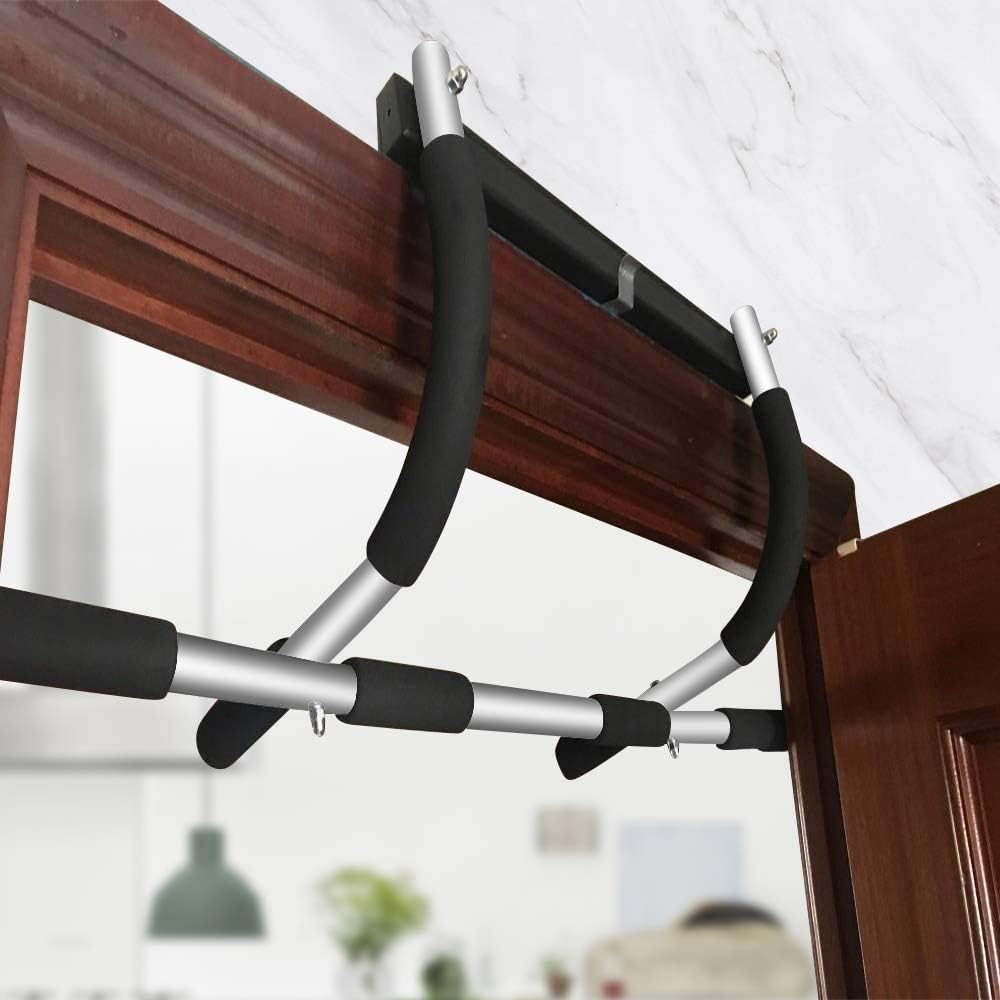
Door Frame

HANDSONIC Pull Up Bar for Doorway, No Screws Required Chin Up Bar Adjustable Dip Bars for Home Gym Exercise Fitness Up to 440 LBS – Amazon.com

Pros: Most people have an empty door frame that’s just waiting for a pull up bar! They are easy to install and you will likely be motivated to do pull ups every time you pass under it.

Cons: Door frame pull up bars are not great for very tall people. In addition, they can make it basically impossible to close a door. Some door frame pull up bars (though not all) also require drilling, so these are not ideal for renters.

Our Recommendation: The Chriffer brand door mounted pull up bar is both affordable and easy to install. It includes multiple grip options and is compatible with almost all door frames!

Removable

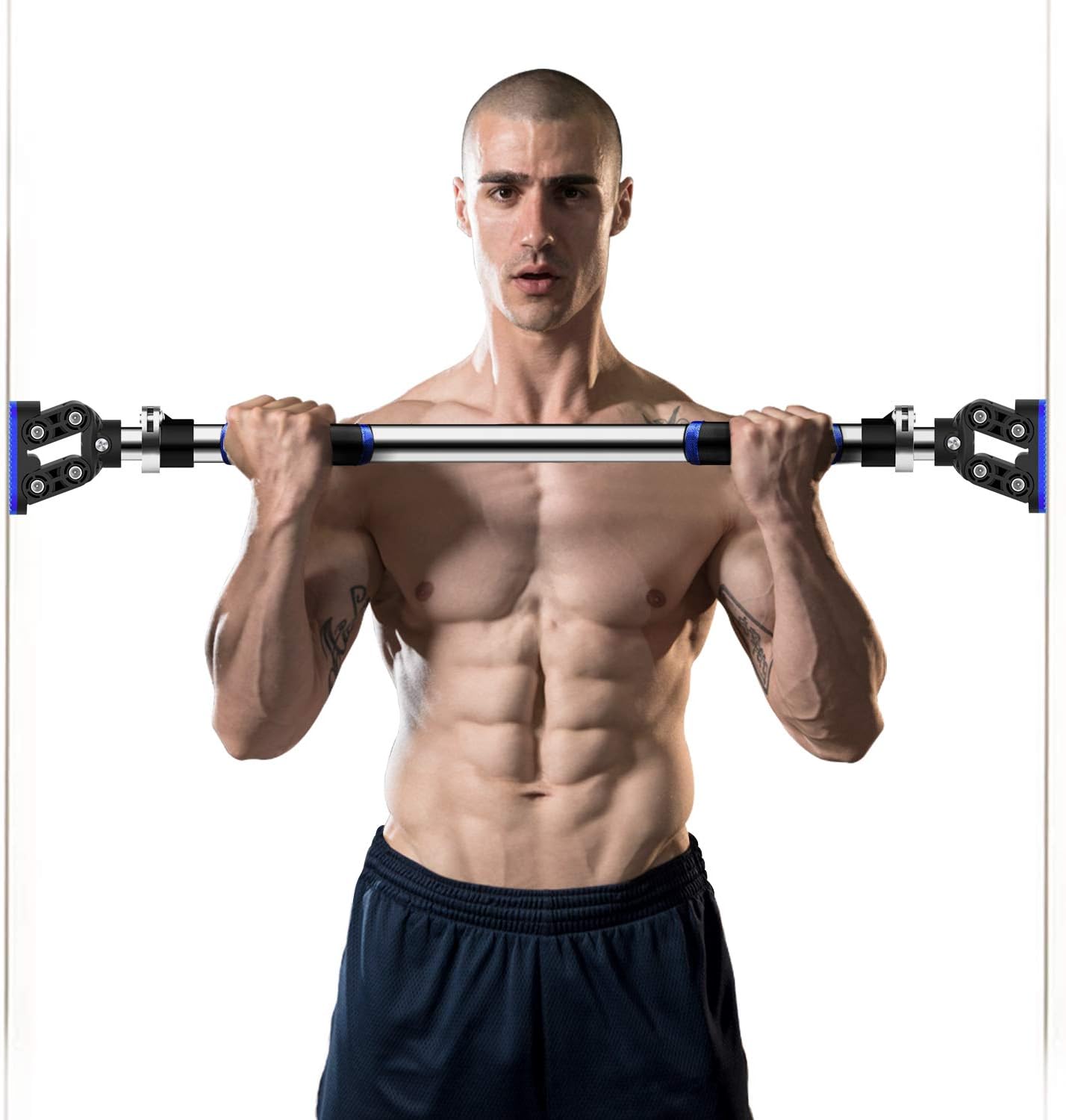
FEIERDUN Doorway Pull Up and Chin Up Bar Upper Body Workout Bar for Home Gym Exercise Fitness & 440 LBS – Amazon.com

Pros: You can take your removable pull up bar with you when you are on the go! These are great for people who travel a lot or people who cannot drill into walls. They are also wonderful if multiple people will be using your pull up bar.

Cons: Removable pull up bars generally cannot hold as much weight as properly mounted pull up bars. They also rarely include features like forward facing handles.

Our Recommendation: The FEIERDUN removable pull up bar is our favorite because it can hold up to 440 pounds. It is easy to remove and install when you are on the go.

Wall Mount

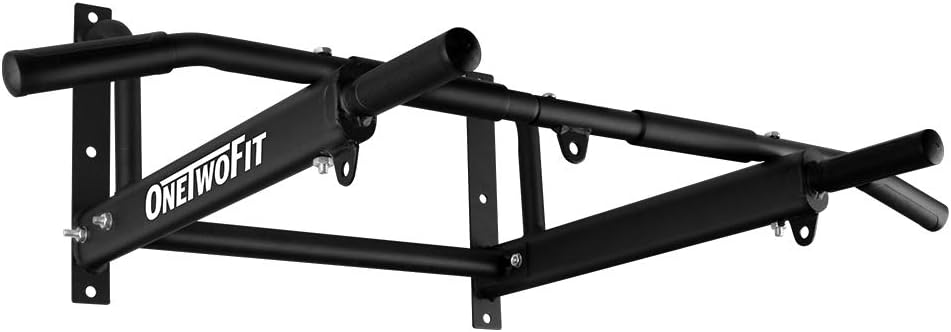
ONETWOFIT Wall Mounted Pull Up Bar with More Stable 6-Hole Design for Indoor and Outdoor Use, Maximum Weight 440 Lbs OT103 – Amazon.com

Pros: Wall mounted pull up bars are great for people who have wall space but not door frame space. If you already have a home gym in a basement or garage, it may be the perfect addition! These pull up bars can also be affixed to an outdoor wall like a basketball hoop.

Cons: If space is at a premium, you may not have space to put a wall-mounted pull up bar. Like other more permanent fixtures, they also work best when only one person uses them (or all users are about the same height).

Our Recommendation: Our favorite wall mounted pull up bar is from ONETWOFIT. This bar is extra stable for both indoor and outdoor use because it has multiple attachment points. It also includes both regular and hammer grip positions.

Free Standing

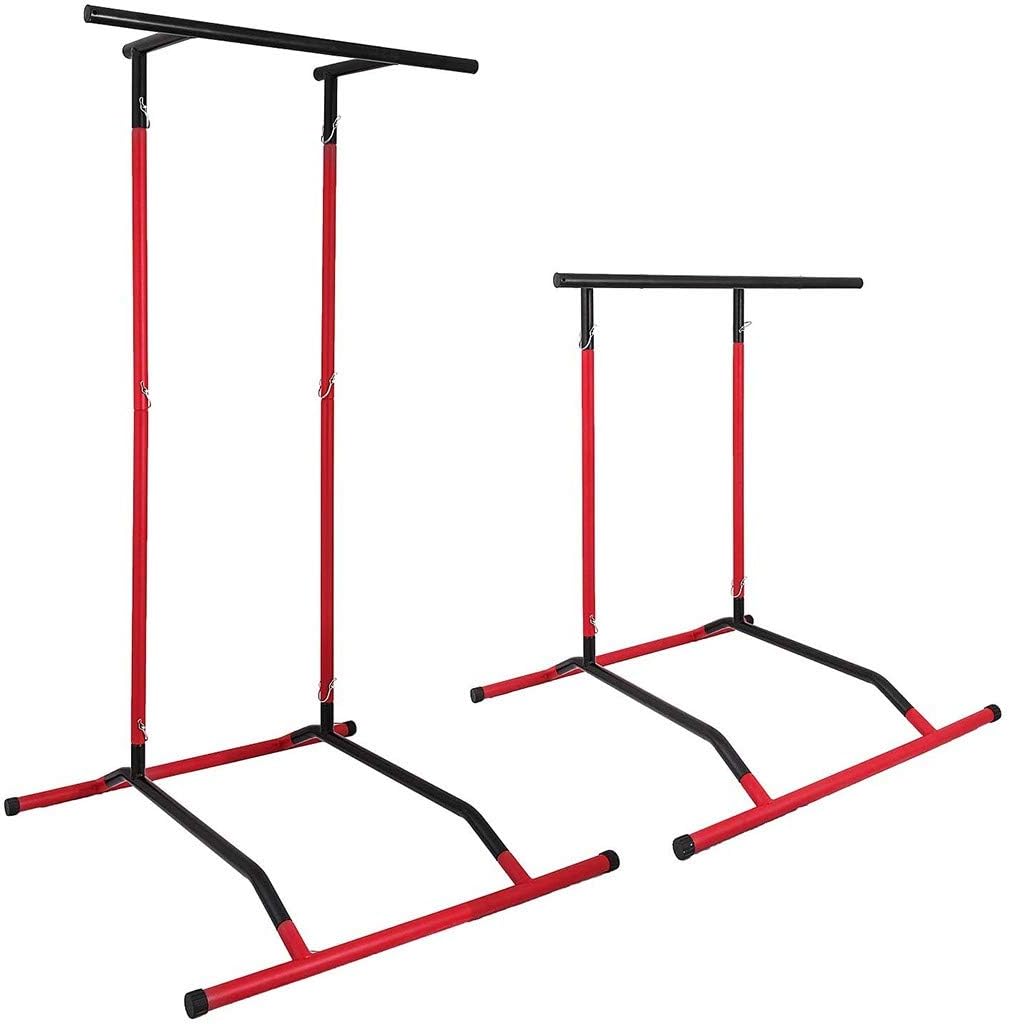
Dip Stands Pull Up Bar Free-Standing Dip Station Portable Power Tower Home Sport Equipment – Amazon.com

Pros: Free standing pull up bars can be installed both outdoors or indoors. They make a perfect addition to a home gym because they often include other workout equipment too. Many can also be taken down and set up quickly, making them reasonably portable. The height can also be adjusted for different users or different exercises.

Cons: Free standing pull up bars take up a lot of space and tend to be a little pricey compared to other types.

Our Recommendation: Homelpope’s free standing pull up bar is great for pull ups, chin ups, dips, push ups, and just about any other exercise you can think of. You can easily change the position for different exercises or users or take the whole thing apart for travel. It is also reasonably priced compared to many other free standing pull up bar stations.

The Different Grips on a Pull Up Bar

Technically, you are only doing a pull up if you have an overhand grip on a pull up bar. If you are using an underhand grip, you are actually doing a chin up. If your pull up bar has two handles that jut out towards you and you use these, you are doing a hammer grip pull up.

With pull ups and chin ups and hammer pull ups, you will work your lats (the muscles below your shoulder blades), your triceps, your biceps, your pecs (chest muscles), your teres major muscles (muscles below your armpits), and more! The focus will be on different muscles groups with each grip.

Other Exercises

Despite the name, pull up bars are not just for pull ups. You can use them to get a full body work out.

In addition to the modifications mentioned above, you can use your pull up bar to do a wide variety of exercises!

New to pull ups? Try a dead hang!
As the name implies, you will just hold on to the pull up bar (using any of the grips). Though it seems simple, it is actually challenging! Try timing yourself and seeing how long you can hold the dead hang.

We recommend using compression socks while doing this, to keep blood from pooling in your legs.

Want to work your abs? Try an L-hang!
As the name implies, you will hang so that your legs and torso form an L shape. This will especially target your core muscles.

For an exercise where you can rack up high reps, consider leg raises or knee raises.

Want a big challenge? See if you can do toes-to-bar reps!

And if you are really fearless, try a hanging crunch!

What to Look for in a Pull Up Bar

First of all, figure out what kind of pull up bar you want. If you are looking for a permanent pull up bar, where do you want to put it? Do you have space for a free standing pull up bar? Refer to the pros and cons above to see what type is best for you.

Check with your landlord if you rent to see if you can install a permanent pull up bar. If not, you will have to get a free standing or portable one. If you can install one, make sure you have the right equipment and expertise. An improperly installed pull up bar can be dangerous and damaging.

Will multiple people of different heights be using your pull up bar? See if it can be adjusted!

Are you on the heavier side? Make sure your pull up bar will be able to accommodate your body shape!

Most importantly, no matter what, make sure you get a quality pull up bar. Trust us, you do not want to go out and buy a new one after a month.

It’s similar to buying one of the chinese knockoffs of the rose toy everyone is talking about on TikTok (see amazon rose toy article). It’s better to buy quality.

Advantages of Having Your Own Pull Up Bar

Gym memberships are expensive, and going there is time consuming!
Get all the same benefits and more for a fraction of the price!

For example, if you do just two pull ups every time you go through your doorway, think how many pull ups you will do in one day or one week.

Think about how much you have to gain!

Beginner Tips

Can’t do a pull up?
Don’t worry! You are not alone!

In addition to practicing dead hangs and alternative grips, you can also try doing modified pull ups or kipping pull ups.
Modified pull ups only work with a low-hanging or adjustable pull up bar.

First, set the bar so it is just above knee height. Then, slide yourself underneath the pull up bar so that the bar is over your chest and you are looking up.

Now, pull up so that your shoulders and abdomen come off the group. Try to keep your body straight so that your buttocks and legs also rise. When your chest gets to the bar, your body should be at about a 45-degree angle with your heels on the ground.

If you can’t adjust the height of your pull up bar or want to try other variations, try a kipping pull up! Instead of keeping your body as still and straight as possible, you will swing yourself upwards. The momentum from kicking and swinging your legs will help you raise yourself up.

You can also modify your pull up by using a stool. Stand under the pull up bar so that your elbows for a 90-degree angle (or less). Now try to raise yourself from this point. If it is still difficult, try getting started with a jump.

Accessories to Pull Up Bars

Sure, you can get away with just a pull up bar. But, if you really want to get a full work out, these accessories are must-haves!

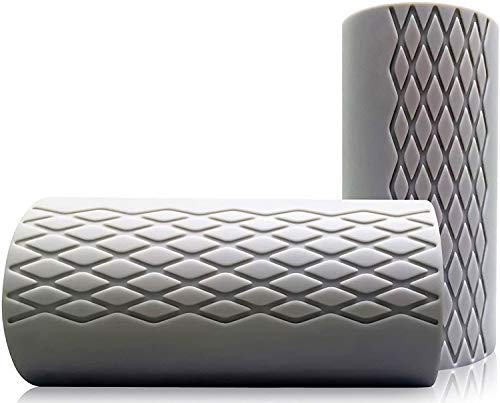
Grips

Bar grips will ensure that you do not tear up your hands and can get more reps. Alternatively, you can get grip gloves to accomplish the same purpose.

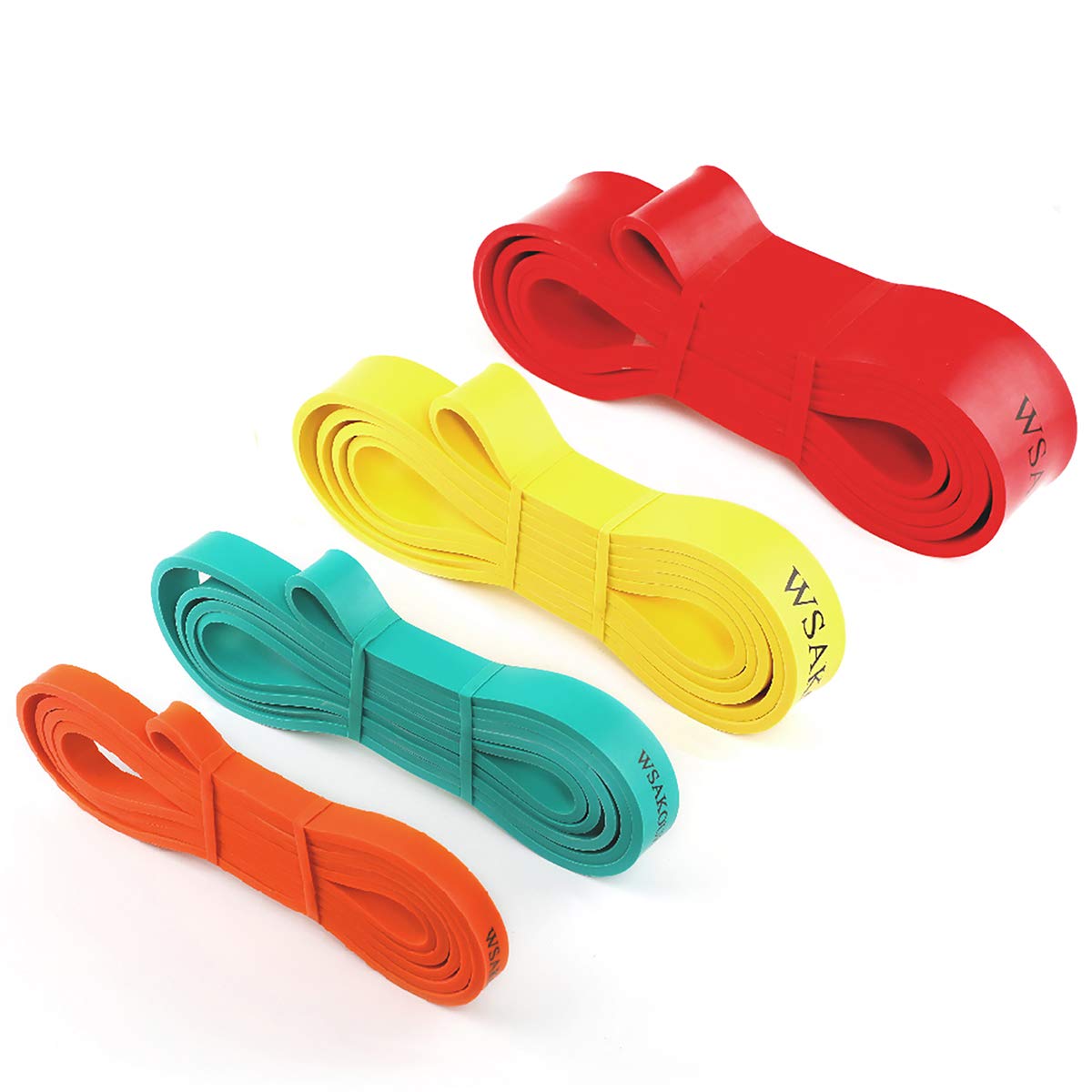
Resistance Bands

If you are a beginner, you can consider adding in resistance bands. They will give you some momentum to keep going.

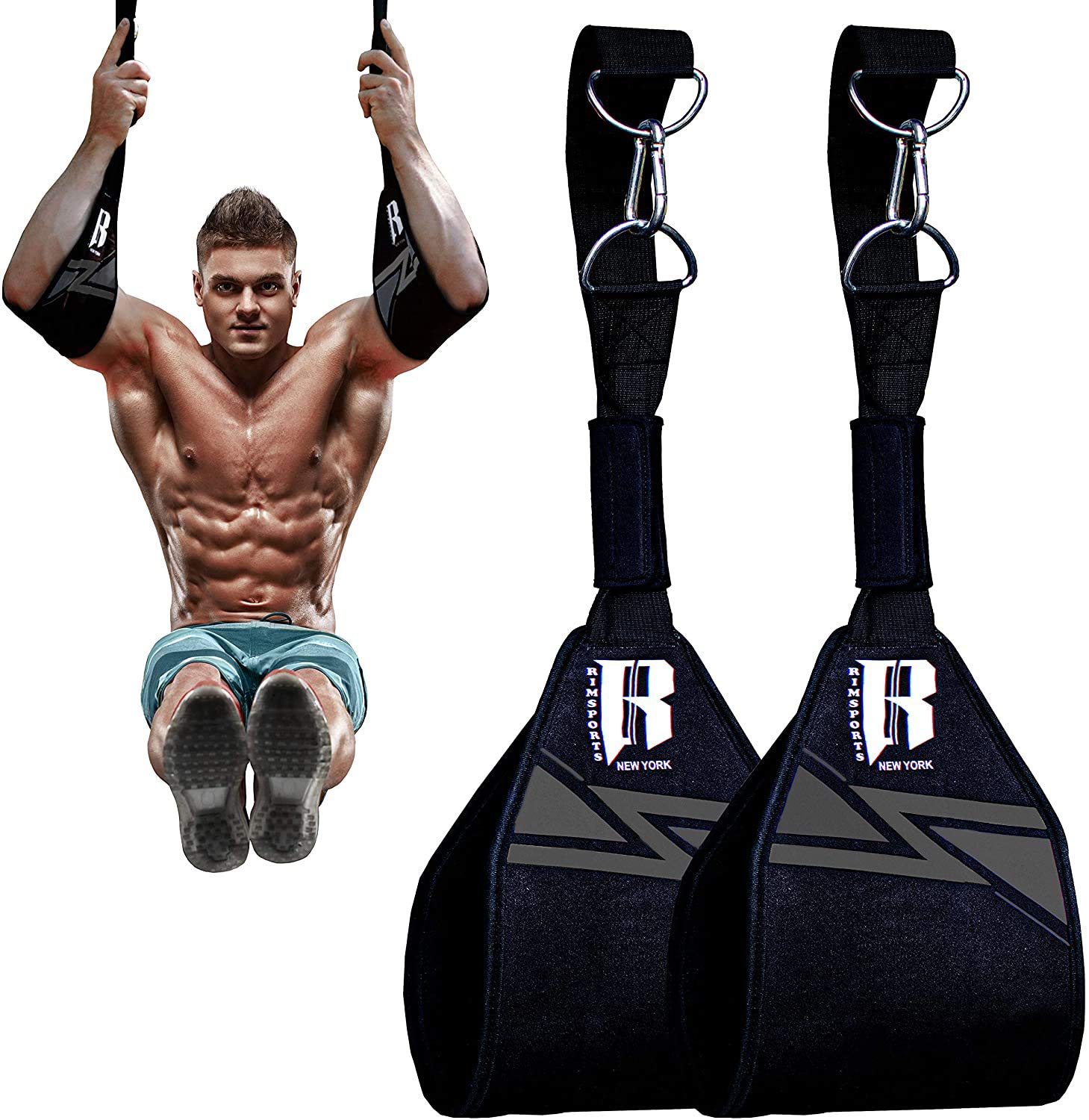
Ab Straps

While there are many exercises you can do with just a pull up bar, ab straps will allow you to rotate your body for even more of a workout.

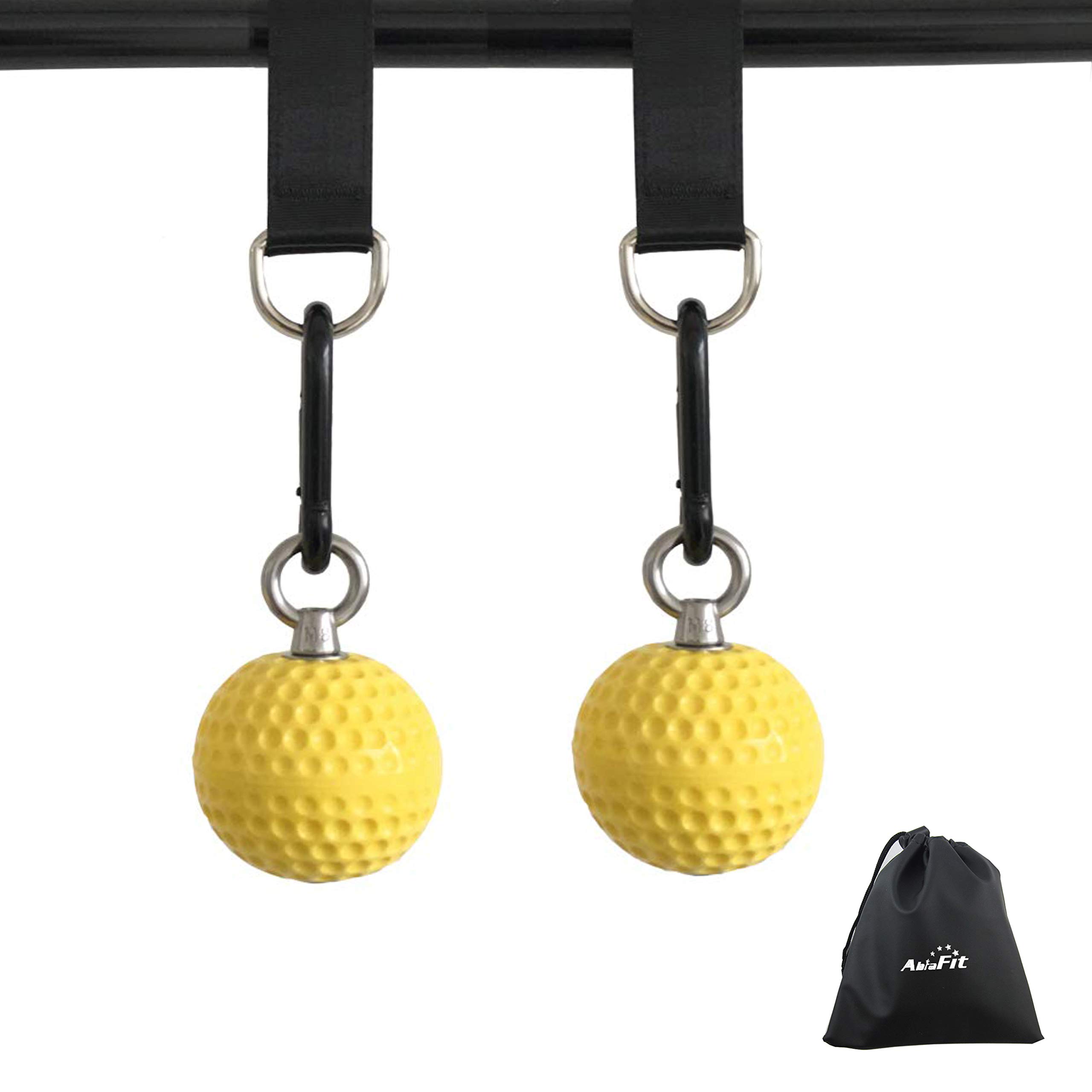
Grip Balls

Grip balls will help you improve your grip strength while you work on your pull up and chin up reps.

Overview

Pull up bars are not just for pro athletes! If you want to improve your health without paying an arm and a leg for a gym membership, get a home pull up bar. You’ll be happy you did!

In the meantime, we here at SmashGoods are working to develop our own pull up bar that’s guaranteed to be the best on the market. Keep checking back so you can get yours as soon as it’s available!

Chopsticks – Best Chopsticks (Disposable + Reusable)

Introduction

Globally known eating utensils are typically a spoon, fork and knife. They come in different sizes, with each size serving their own unique purpose. But what about chopsticks?

Continue reading to learn more about this particular utensil and where you can get a pair of your own.

What are chopsticks?

Chopsticks are actually the primary eating utensil for about 22 percent of the world’s population. Paired with a rice cooker and they’re a staple for much of the Eastern world.

They are basically a pair of equal-length sticks that have been smoothed and tapered. They can be made from wood, bamboo, metal, ceramics, plastic, stainless steel and so on.

What is the history of chopsticks?

Their initial usage dates back to at least 1200 B.C. Evidence of the first known chopsticks, which were bronze sets, were found in the tombs at Yin, part of the Henan province in China.

Chopsticks were used just for cooking at first; it was not until A.D. 400 that they had begun to be used for eating as well. When they were being used only for cooking, they were long enough to reach deep into boiling pots of water or oil.

However, when a population boom occurred across China, thus affecting the amount of available resources, this forced the people to develop cost-saving habits and, therefore, had to reduce the size of their food. As food became more bite-sized, using chopsticks as eating utensils fit well.

By A.D. 500, chopsticks had swept the Asian continent from Vietnam to Japan. Different cultures, however, adopted different chopstick styles. For instance, the Chinese had preferred chopsticks that featured a blunt end rather than a pointed end. The Japanese had chopsticks that were 8 inches long for men and 7 inches long for women.

Why is it called “chopsticks”?

The earliest written English use of the word dates back to 1699.

The English word “chopsticks” is likely to have been derived from the Chinese pidgin English “chop chop”, which means “quickly.” In a way, chopsticks means “quick sticks”, which could be the impression gained by western explorers when they first experienced people nimbly eating with chopsticks.

Trending Articles on SmashGoods

Rose Toy How To Use The Rose Toy?

What meals are chopsticks used for?

Eating with chopsticks for certain types of foods sometimes feels more natural than others.

Throughout history, as chopsticks had become infused in Asian culture, it was, and still is, used for another staple of Asian culture: rice. The use of chopsticks is frequently paired with other Asian dishes as well, such as noodles and stir fry, except for soups.

Although it still fits its purpose and still gets the job done, it would feel a bit “unnatural” if chopsticks were used for food that are not usually consumed by using it, particularly those that are eaten by using a fork, such as spaghetti, or hands, such as a burger.

Are there different types of chopsticks?

There is a vast array of chopsticks available, each different in terms of geometry, material and style. They could also differ from one culture to the next.

Here are a few examples:

Chopsticks of Different Materials

Bamboo

The main difference between using bamboo and wood is that bamboo is an ecologically green alternative to wood.

It is a strong and dense material which is affordable and eco-friendly. Due to this, they can deteriorate with continued use and, therefore, are frequently made as disposables.

Wooden

Wooden chopsticks are often made of hardwood, such as birch wood, red sandalwood, and ebony wood. It is lightweight and durable, and will not absorb water, making them suitable for reuse.

Polymer Material Alloy

Polymer material alloy chopsticks, also known as PPS chopsticks, are made from synthesized materials of polymer and glass fibers. They are heat resistant and durable.

Chopsticks of Different Cultures

Chinese

Chinese chopsticks are often made at a length of 25 centimeters and are rectangular in shape with blunt ends. They are made from a variety of materials, including bamboo, wood, plastic, and even ivory or silver.

Chopsticks that are with blunt ends are more commonly made of plastic or melamine, whereas pointed tips are more common in wooden or bamboo varieties.

Japanese

One possible attribute that has influenced the design of Japanese chopsticks is how the Japanese diet consists of large amounts of whole bony fish.

As a result, in order to be able to pick out small bones in cooked fish, the Japanese chopsticks commonly have pointed ends. They are also shorter than their Chinese counterpart.

Furthermore, in order to prevent slippage, the eating ends of the chopsticks tend to have circumferential grooves.

Korean

Traditional Korean chopsticks were made from brass or silver, but nowadays are commonly made of metal.

They tend to have a flat, rectangular shape and are ornately decorated at the grip. They are almost always used with a spoon.

Which is better: disposable or reusable chopsticks?

For environmental and conservation reasons, reusable chopsticks is preferred. Reusable chopsticks can be used in restaurant settings, as long as they are cleaned thoroughly, and private households.

What are the best disposable chopsticks on the market?

According to review site The Spruce Eats, the best disposable chopsticks are CiboWares Disposable Bamboo Chopsticks, which can purchased on Amazon.

They praise the product to be “a fantastic, eco-friendly option for single-use utensils—and they come already separated.”

The product comes in two pack size variants: a 100-pack at $12.99 and a 1,000-pack at $64.99.

These are great for beginners as each pair of chopsticks comes in a purple paper sleeve that offers instructions on how to use the chopsticks. The paper sleeve also makes the chopsticks ready-to-use for events, at home or in restaurant settings, ensuring the chopsticks inside are clean.

Furthermore, they are convenient as the chopsticks are already separated, eliminating the risk of shredding or splintering. Not only are they safe from risk of splinters, but they have also been UV treated to ensure sanitation. These chopsticks are made from high quality bamboo, which is an ideal alternative to wooden chopsticks.

What are the best reusable chopsticks on the market?

According to review site The Spruce Eats, the overall best reusable chopsticks are Goldage Fiberglass Chopsticks, which can be purchased on Amazon.

They praise the product to have “a sleek design that is incredibly lightweight and durable.”

The original price of the product was at $15.99 but is currently marketed at $13.99.

For this price, you can get 5 pairs of Japanese minimalism chopsticks that come packaged in a premium, sleek box.

This is the only product in the market to have been certified to comply with the most stringent food-contact standards over the world, including US, UK, EU, Japan, Canada and Australia. This means it contains no coating or paint and no BPA.

Its second generation of fiberglass material makes the chopsticks much more durable than bamboo and wood, thus it can last up until two to five years and withstand high temperatures of up to 356 degrees Fahrenheit (or 180 degrees Celsius.) These chopsticks will not melt, bend or crack, even with daily use and machine washing.

Other nice features include each pair having a square body which prevents it from rolling on a table; perfectly balanced and easy to handle; has a light weight; and less slippery than metal.

Other brands worth mentioning, that have been reviewed as the best in various categories by The Spruce Eats, are as follows:

  • Best Wooden: HuaLan Japanese Natural Wood Chopstick Set
    The product has been praised as “delicately styled chopsticks in a beautiful wood finish, perfect for sushi night.”
  • Best Bamboo: Totally Bamboo Twist Chopsticks
    The product has been praised as “a sturdy and sustainable option with a simple design that provides an element of Zen to the table.”
  • Best Metal: Hiware Reusable Metal Chopsticks 
    The product has been praised as “a stainless steel option that stands up to heat and won’t bend, break, or splinter.“
  • Best for Beginners or Children: Edison Training/Helper Chopsticks 
    The product has been praised as “a perfect choice for those who need to sharpen their chopsticks skills or need some assistance with dexterity.”

Is owning a pair of chopsticks necessary?

This comes down to a matter of preference.

Some people who love fitness swear by certain hacks, like using compression socks for improving blood flow, or using chopsticks for limiting caloric intake.

If you are not familiar with or used to eating with chopsticks, then they may not be useful to you as a serving utensil, but they could serve as a good cooking utensil instead— they can be used for flipping food in pots of hot oil or boiling water from a safe distance.

It is not a must to own one, but they are definitely useful to have around.

Conclusion

Chopsticks make great cooking utensils as well as eating utensils. They are affordable, easy to clean and durable. Chopsticks are often used to eat meals of Asian culture and foods such as rice and noodles. With increasing attention on the importance of protecting the environment, reusable chopsticks are growing in demand to reduce waste of disposable chopsticks, particularly those made from plastic or other non-biodegradable materials.

References

  1. “Chopsticks,” Wikipedia
  2. “A Brief History of Chopsticks,” 2018, History
  3. “The History of Chopsticks,” 2015, Everything Chopsticks
  4. “7 Different Types of Chopsticks,” 2020, Best Chopsticks
  5. “The 8 Best Chopsticks of 2020”, 2020, The Spruce Eats

Stop Sign

Introduction

Looking to buy a stop sign?

Smart move. Stop signs keep traffic safe. They tell people where intersections are. They help police enforce the law. Stop signs save lives.

Smart move. Stop signs keep traffic safe. They tell people where intersections are. They help police enforce the law. Stop signs save lives.

You are probably curious where to get a stop sign. Maybe you work for an apartment complex, home owners association, or a local municipality. Maybe you are in a larger government office and looking to see if you can get better negotiated pricing than your current contract.

In this article, we will talk about how stop signs came to be, the different types available, and where to buy them.

If you’re looking for our article about the rose toy article here.


When did people start using stop signs?

Firstly, a stop sign is a traffic sign which acts as a reminder for drivers to check their surroundings and ensure that the intersection is clear of incoming traffic and pedestrians before continuing past the sign.

Stop signs came into use when they were first made in Detroit, Michigan around 1915. The earliest design had black letters on a white background and was smaller than the current size, at 24 by 24 inches (or 61 by 61 centimeters.)

The need for design standardization and increased adoption occurred when more people started owning automobiles and there were higher number of roadway construction projects nationwide.

International adoption began in 1968 when Europe initiated an effort to standardize road travel across their borders. What occurred was that the latest specifications set by the Manual on Uniform Traffic Control Devices for Streets and Highways (MUTCD) were adopted by the Vienna Convention on Road Signs and Signals as part of United Nations Economic Commission.


How did stop signs look like before?

After its initial design in 1915, from 1924 to 1954, stop signs either had a red or black “STOP” over a yellow background. The field was chosen to be yellow because, at the time, red materials that were fade-resistant were not available.

The design of the stop sign underwent changes seven more times, totaling eight alterations, all the way until 1971.


Where are stop signs used?

You can typically see stop signs at roadway intersections.


What are the standardized features of stop signs?

There are plenty of pitfalls to look out for when buying a stop sign. The best stop sign is made to national highway safety standards and includes quality reflective tape. Plus they have to be the correct size and built with quality materials.

In 1922, the American Association of Highway Officials created a standard design for stop signs to prevent confusion, which is the octagonal shape that we are all familiar with.

After several color changes, the white text on red background design was settled in 1954.

The standard size is 30 inches, with a white border of 20 millimeters. Furthermore, the sign needs to be put at a height of at least 7 feet in urban areas and 5 feet in rural areas.

These critical features are standardized in stops signs across the globe.


What other kinds of stop signs are there?

Stop signs typically have the word “STOP” written on it, but you may find various kinds to fit with the immediate surroundings, which are essentially traffic stop signs and also facility stop signs.

Stop signs typically have the word “STOP” written on it, but you may find various kinds to fit with the immediate surroundings, which are essentially traffic stop signs and also facility stop signs.

Examples of traffic stop signs

  • Stop All Way sign
  • Stop 4 Way sign
  • Stop 3 Way sign
  • Stop 2 Way sign
  • Bilingual Stop Alto sign
  • Bilingual Stop Pare sign
  • Stop Ahead sign
  • Stop For Pedestrians (right arrow) sign
  • Stop For Pedestrians (left arrow) sign
  • Stop For Pedestrians In Crosswalk sign
  • Stop For Children In Crosswalk sign

Examples of facility stop signs

  • Stop Sound Horn Proceed with Caution sign
  • Stop Proceed Slowly sign
  • Stop Look Out For Forklifts sign
  • Stop Forklift Crossing sign
  • Stop No Pedestrians Fork Trucks Only sign
  • Stop Safety Starts Here sign
  • Stop Fasten Your Seat Belts sign
  • Stop Pedestrian Crosswalk sign
  • Stop Wrong Way Do Not Enter sign
  • Stop Do Not Enter sign
  • Stop Look Before Exiting sign
  • Stop Proceed with Caution sign
  • Stop Exit Only sign
  • Stop Entrance Only sign
  • Stop Wait Here For Gate to Open sign
  • Stop Authorized Vehicles Only sign
  • Stop Employees Only sign
  • Stop Check With Guard sign
  • Stop Check With Guard Before Entering sign
  • Stop Check With Guard Before Leaving sign
  • Stop All Visitors Must Register sign
  • Stop All Visitors Report to Main Office sign
  • Stop Check In Here sign

Are stop signs different across the world?

The major difference in stop signs across various regions are merely the language used.

In English-speaking countries, such as the United States of America and the European Union, stop signs use the word “STOP”. On the other hand, non-English speaking may adopt their own languages on the front of a stop sign. They can also use a combination, in which the English word is situated on the top of their local language.

In terms of shape, many countries use the octagonal shape, such as South Korea, Turkey, Mexico, China, Canada, Brazil, and others. However, there are a few exceptions, such as in Japan where they use a triangular or circular sign.


How do I choose the correct stop sign?

There are various aspects to stop signs that need to be looked out for.

Size

Stop signs come in generally four sizes: 18×18 inches; 24×24 inches; 30×30 inches; and 36×36 inches.

However, not every sign size is appropriate for every situation.

The MUTCD have specifications that detail the minimum size a stop sign should be used in any particular application.

18×18 inches or less

Stop signs that are 18×18 inches or less are not MUTCD compliant and should not be posted on any public roadway. The emphasis is on public here, because it can be used indoors or outdoors on any private property. Examples of private property includes parking garages, driveways and parking lots.

24×24 inches

Stop signs that are 24×24 inches are the minimum size required by the MUTCD for publicly travelled roadways. These are frequently used in streets that are not dense with traffic and secondary roads which have low speed limits. These signs can also be used in place of 18×18 stop signs.

30×30 inches

Stop signs that are 30×30 inches are the minimized size required by the MUTCD for conventional single-lane roadways. On the other hand, the 36×36 inches are the minimized size required for conventional multi-lane roadways and expressways.

Location

The location in which a stop sign will be set up in will determine what it should be made of.

For instance, a rural area where it frequently rains requires material that will not rust, while an open area with direct contact to sunlight or a hot environment requires material that can withstand high temperatures.

This brings us to the next aspect to consider.

Material

The three most commonly used sign materials are polyethylene, steel and aluminum.

Polyethylene

Polyethylene, or plastic, is a good material as it is lightweight, durable and will not bend, crack or rust. It is also safe as there are less chance of injury or damage if the stop sign falls over, for whatever reason.

Steel

Steel is ideal for outdoor use as it is made of unique galvanized coating that prevents rusting. Since steel is very durable, it does not bend, making it particularly suitable for places with strong winds, which polyethylene stop signs may not be able to withstand due to its lightness.

Aluminum

Aluminum is 30% lighter than steel, which makes it much easier to lift and hang compared to steel. It is the most ideal for outdoor use as it is guaranteed not to rust, especially areas where there is exposure to corrosive salt like salty air from coastal regions or parts of a country that uses a lot of corrosive road salt during winter.

Reflectivity

There are three different levels of reflectivity which comply with MUTCD requirements: engineer-grade, high-intensity, maximum-intensity.

What is not commonly known is that sign reflectivity will degrade over time due to exposure to sunlight, harsh weather and environmental damage.

As a result, in order to ensure safety of drivers and pedestrians in roadways, it is important that reflectivity is checked periodically and replace the stop sign whenever necessary.

Engineer-Grade

This grade complies with the minimum D.O.T. and MUTCD requirements for street use. Drivers can see stop signs made of this material up to 500 feet away, so this is suitable for areas with slow traffic, such as private parking lots or at the end of driveways.

High-Intensity

This grade is three times brighter than the engineer-grade and can be seen from a distance of up to 1,000 feet. Furthermore, although the minimum requirement is the engineer-grade, MUTCD actually recommends the high-intensity reflectivity as the “best practice” option for high traffic areas, such as public roadways and other high-traffic areas.

Maximum-Intensity

This grade is ten times brighter than the engineer-grade and can be seen from a distance of up to 1,500 feet. This makes this material highly suitable for use on high-speed roadways and dangerous intersections with a history of accidents.


What reflectivity grades of aluminum is there for stop signs?

Stop signs that are typically made of aluminum have reflectivity levels that are either one of these three grades.

Engineer Grade Reflective Sheeting/.80 Aluminum

This material can last for around seven years under good conditions before the sign needs replacing, however it does not rust. It shines brightly so it allows drivers to see the sign clearly at night.

High Intensity Reflective Sheeting/.80 Aluminum

As the name implies, the reflective capabilities of this material is indeed of high intensity; it is actually 3 times more reflective than the engineer grade. This is due to its surface being wrapped with fluorescent sheeting. 

Just like the engineer grade, it can also last for around seven years and does not rust.

Prismatic Reflective Sheeting/.80 Aluminum

This contains the highest level of brightness due to its 0.8 inch thickness of fluorescent sheeting on the surface.


I need to buy a new stop sign. Where can I buy one?

There are many websites available for you to purchase online from.

If you live in the USA, you can make an order from the following links:

  • SafetySign
  • Amazon
  • USA Traffic Signs

If you live in the UK, you can make an order from the following places:

  • Road Signs Direct
  • Stocksigns
  • Archer Safety Signs

Conclusion

Stop signs are highly necessary as they can help prevent road accidents and control traffic in areas of high density. It is, therefore, crucial that the signs are standardized in terms of shape, size and color across the globe to allow universal understanding, especially for foreigners driving around in or visiting an unfamiliar city. Choosing the right stop sign will vary mostly depending on location.


References

  1. “Stop sign,” Wikipedia
  2. “History of the Stop Sign,” My Parking Sign
  3. “What are the measurements of a stop sign?,” 2017, azcentral, GetawayTips AZ Central
  4. “How to Choose the Correct Stop Sign (Full Version) | Emedco Video”, 2015, Emedco
  5. “MUTCD Stop Signs,” Safetysign

Loofah

Introduction

There are several showering supplies and accessories one can use to cleanse the face and body, from poufs and wash cloths to exfoliating gloves and scrubbers.

There are also loofahs, which are very effective in getting the dirt and grime off the skin, leaving one feeling clean and fresh.

Continue reading to learn more about loofahs!

What is a loofah?

A loofah is a sponge that is used to help scrub and exfoliate the skin and is either made of inorganic or organic material. They can be used for showers or facials and face treatments.

What is the difference between a luffa and a loofah?

They are an interchangeable term– loofahs are sometimes written as luffas. Loofahs are actually made from luffas.

On the other hand, luffas, botanically named Luffa aegyptiaca, are a vine-grown vegetable in the pumpkin, gourd and squash family known as Cucurbitaceae.

How are loofahs made?

Luffas are not a typical garden vegetable; it is usually grown in tropical and subtropical climates. This is because it requires plenty of sunshine and hot temperatures to develop. Other things necessary, of course, are well drained soil and adequate watering.

The plant can grow vines up to 30 feet long. Between summer and autumn, bright yellow flowers bloom to attract pollinators. Afterwards, the flowers develop into giant gourd-like vegetables that resemble cucumbers or zucchinis.

As these vegetables mature, they start to lose color and water and its outer shell hardens and separates itself from its interior fibers. Once it is ripe enough for harvesting, growers break off the shell, revealing a spongy fiber within, which is then extracted from the plant.

Before the spongy fiber can be used, it is first washed and squeezed to remove excess water. Then it is left out to dry under the sun. Once it fully dries, it can then be cut or shaped to become the loofahs we know for exfoliating and scrubbing.

What are the uses and benefits of loofahs?

These scrubbers can be used in the following ways:

  • Combined or lathered with soap on the skin to ensure great exfoliation (i.e. remove dead skin cells, dirt and other impurities) and help get soft skin,
  • Stimulate blood circulation whilst bathing through mild massaging,
  • Clean household surfaces, such as tiles, bathtubs and sinks.

What are the benefits of exfoliating?

As scientists estimate that the human body comprises of 10 trillion cells in total, and the human skin takes up approximately 16 percent of the body, then we have around 1.6 trillion skin cells. Out of this, between 30,000 and 40,000 fall off every hour.

In a day, a person would lose almost a million skill cells. A year would equal to about more than 8 pounds (or 3.6 kilograms) of dead skin. That’s a lot!

These dead skin cells simply fall off or collect on the surface of your skin. This can lead to clogged pores and buildup of whiteheads and/or blackheads.

Therefore, exfoliating is a skincare process which would help remove congestion, unclog pores and prevent ingrown hairs as getting rid of the layer of dead skin also helps hair grow normally.

How do I use a loofah for cleaning my skin?

The steps are as how you would normally clean yourself in the bath or shower:

  1. Wet your skin and the loofah,
  2. Apply an exfoliating cleanser or liquid soap to the dampened loofah and lather it up,
  3. Massage the area of skin you would like to clean, such as the face or body, with the lathered loofah,
  4. Rinse the cleanser or soap off with clean water.

If you are exfoliating your face, it is recommended to apply moisturizer afterwards to prevent any dryness.

SmashGoods – Popular Content

We review the popular rose toy to find the best rose vibrater sex toy.

Are loofahs safe for everyone to use?

These accessories may not be the best choice for everyone, particularly those with sensitive skin. Its can be quite coarse and its fibers may be too much for prolonged use.

They can be too abrasive or rough for certain skin types, such as those that are sensitive to dermabrasion and exfoliation, so if signs of irritation or redness start appearing after using a loofah then discontinue using it.

How should a loofah properly be cleaned?

Since loofahs are used to exfoliate, the dead skin cells that are trapped in the loofah can lead to bacteria build up if proper cleaning is not done afterwards and the loofah is left in the bathroom, where it collects moisture.

It needs to be maintained after each use to minimize this from happening. Instead of hanging it on a hook in the shower, use a dry towel to thoroughly absorb any moisture then put it in a cool, dry place outside of the bathroom.

It is recommended to clean one’s loofah every week in a mixture of water and bleach to remove any bacteria. After soaking it in the mixture for five minutes, it should be rinsed in cool water and dried.

How long can a loofah last?

This may depend on how frequently one uses their loofah.

However, it is recommended to replace the loofah every 3 to 4 weeks. It should also be replaced if it starts displaying signs of mold or have an unpleasant odor.

What are the best loofahs currently on the market?

Taken from review site Best Reviews, their article posted in August 2020 highlights loofahs of various categories and recommends the best based on six hours of research, consideration of 31 models available, one expert interview and consults from 475 consumers.

Below are three of their top rated loofahs:

Overall Best – CraftsOfEgypt’s Set of 3 100% Natural Egyptian Organic Loofah

This product set has been rated as being capable of lasting a long time and meets numerous exfoliating needs.

For a price of almost $17, these loofahs are eco-friendly with nothing artificial or synthetic. They also promote “luxury pore cleansing“, meaning a more thorough and comfortable cleanse thanks to the loofahs being long and wide in diameter (at 6 x 6 inches or 15 x 15 centimeters), having a looser knit than the common loofah and soft sponge material.

These loofahs are claimed to deliver quality of cleansing equivalent to spa treatments.

Best Value – AVE DEAL’s Exfoliating Scrubber Pack of 8 Exfoliating Loofah Sponge Pads

This pack has been rated of offering natural materials and reliable exfoliation. Its list price is nearly $21 but is currently priced at almost $10.

It is high quality and is made from eco-friendly materials, with a Terry cloth backing to make them easier to use. Not only eco-friendly, it does not contain any chemicals, hypoallergenic and non-toxic. Furthermore, it comes with elastic hand straps at its end for better gripping. Its texture is initially rough but softens with use.

The downside is that, although the pads are at a large size of 4 x 6 inches, they have been found to be somewhat thin and may fall apart after several months of use.

Best Loofah Mitts – Earth Therapeutics’ Exfoliating Bath Mitt

This mitt has been rated as being effective for most types of skin. Its list price is $8.99 but is currently priced at $6.95.

As it is in a mitt design, it can be used for any part of the body and even the face. It has been found to be capable for use of at least 6 months. However, after that it begins to slowly degrade.

Its texture is praised of being not too rough and leaves the skin feeling smooth and soft.

Best Back Scrubber – MaKas’ 4 Pack 100% Natural Organic Egyptian Loofah Sponges, Exfoliating Shower Loofah Body Scrubbers

This pack has been rated as being high for value; its price is $6.99.

They are 100% natural so they are not made of nylon or plastic whatsoever. Given that they come in a 4-pack, this makes the loofahs highly convenient for travel or taking to the spa. Each loofah is 2 x 3.9 inches big.

They are loofah sponges designed with a cotton lanyard to allow for easy handling as well as hanging and drying to prevent bacterial growth.

Furthermore, its usage is not limited to bathing and cleansing but also for washing dishes due to its great absorption capabilities. Two downsides that have been found, however, is its stiffness and inflexibility even when wet and its abrasiveness, which may be found uncomfortable by users with sensitive skin.

Is owning one really necessary?

This comes down to one’s preference.

Loofah’s are sort of like compression socks. You don’t need them, but they can really improve your day to day life if you use them frequently.

If you are the kind of person who finds routine exfoliation important as part of their skincare routine, then having a loofah is a definite necessity.

Since loofahs also have an alternate use of cleaning, owning one would be great for scrubbing otherwise difficult to clean surface areas in certain parts of a house, such as bathroom or kitchen tiles.

What are the alternatives to loofahs?

Synthetic bath poufs

Body poufs are made of synthetic materials, like plastic, meshed in a way to form a fluffy and spherical accessory. These are commonly found as a bathroom supply in supermarkets and stores that sell hygiene products. They typically include a looped rope for easy hanging in the shower.

Their shape and surface area makes it easier to lather liquid soap on. Although they can get as much cleaning done as loofahs, body poufs are much more gentle and may not give the same level of exfoliation, making them suitable for daily cleaning. In a sense, are more suited for sensitive skin.

If you are environmentally-conscious, as body poufs are made of synthetic material, they may not be ideal for you, however there are recyclable ones or ones made from 100 percent-recycled plastic netting.

Sea sponges

Sea sponges, or Porifera, are a great alternative to loofahs.

Unlike luffas, which are plants, sea sponges are animals that consume small particles as they filter water through their bodies. They are natural in the sense that they do not contain dyes, preservatives, or any kind of chemicals and are usually minimally processed.

Out of the thousands of kinds out there, only a few are harvested for our use in skin cleaning.

These are great at preventing bacteria growth, due to the natural enzymes they produce. They are also biodegradable.

Wash cloths

Wash cloths have been used for cleaning for many years. They are simple fabric materials which lather soap easily and just as effective for cleansing.

They are known under different names in different places, such as “flannel” or “face flannel” in England, for instance.

These can be cleaned easily, whether by hand or washing machine, so they would be as good as new after each use.

Conclusion

A loofah is a great cleaning accessory to have as it gets rid of dead skin cells and dirt from one’s face and body, leaving one feeling fresh with soft skin. It is recommended for those who enjoy exfoliating on a routine basis and like to maintain their skincare. Loofahs come in various types so there will be one for any preference.

References

  1. “Popular Loofah Sponges May Not Be the Best Shower Accessory — Here’s Why”, 2019, Healthline, Loofah Sponge / What Is A Loofah?
  2. “Luffa: Plant Then Exfoliate”, 2016, Lewis Ginter Botanical Garde Luffa Plant Exfoliate
  3. “Loofah vs. Pouf”, Our Everyday Life Microfiber vs Cotton Cloths
  4. “Sponge, Loofah or Washcloth – Which is Best?”, 2018, WEBA Natural Products, Sponge Loofah or Washcloth Which Is Best
  5. “How many skin cells do you shed every day?”, How Stuff Works, Skin Care / Information / Anatomy / Shed Skin Cells
  6. “How to use a Loofah Sponge?”, 2020, The Pool, How To Use a Loofah Sponge
  7. “Best Loofahs”, 2020, Best Reviews, Best Loofahs